American College of the Building Arts: Where Craft, History, and Career Intersect
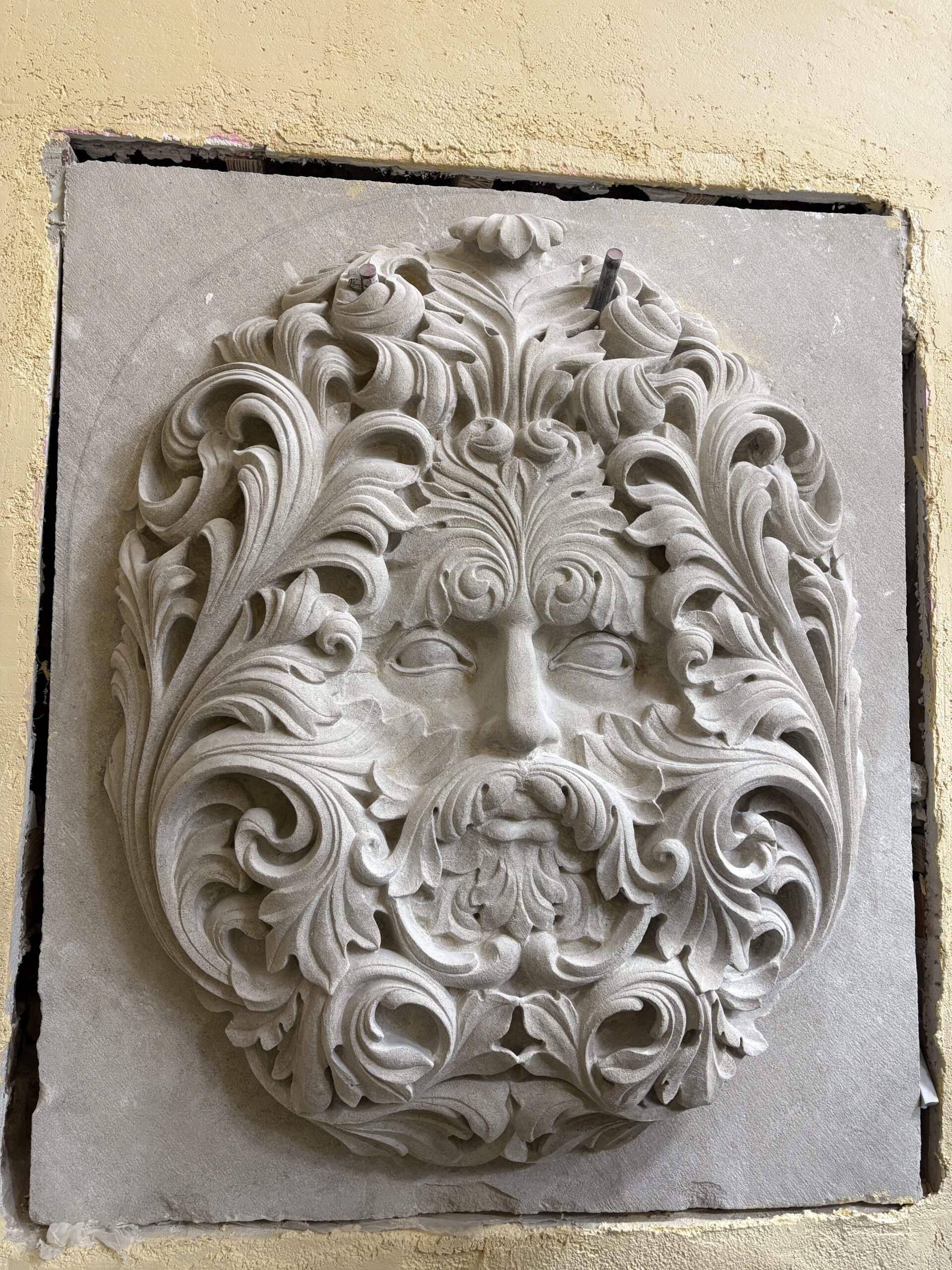
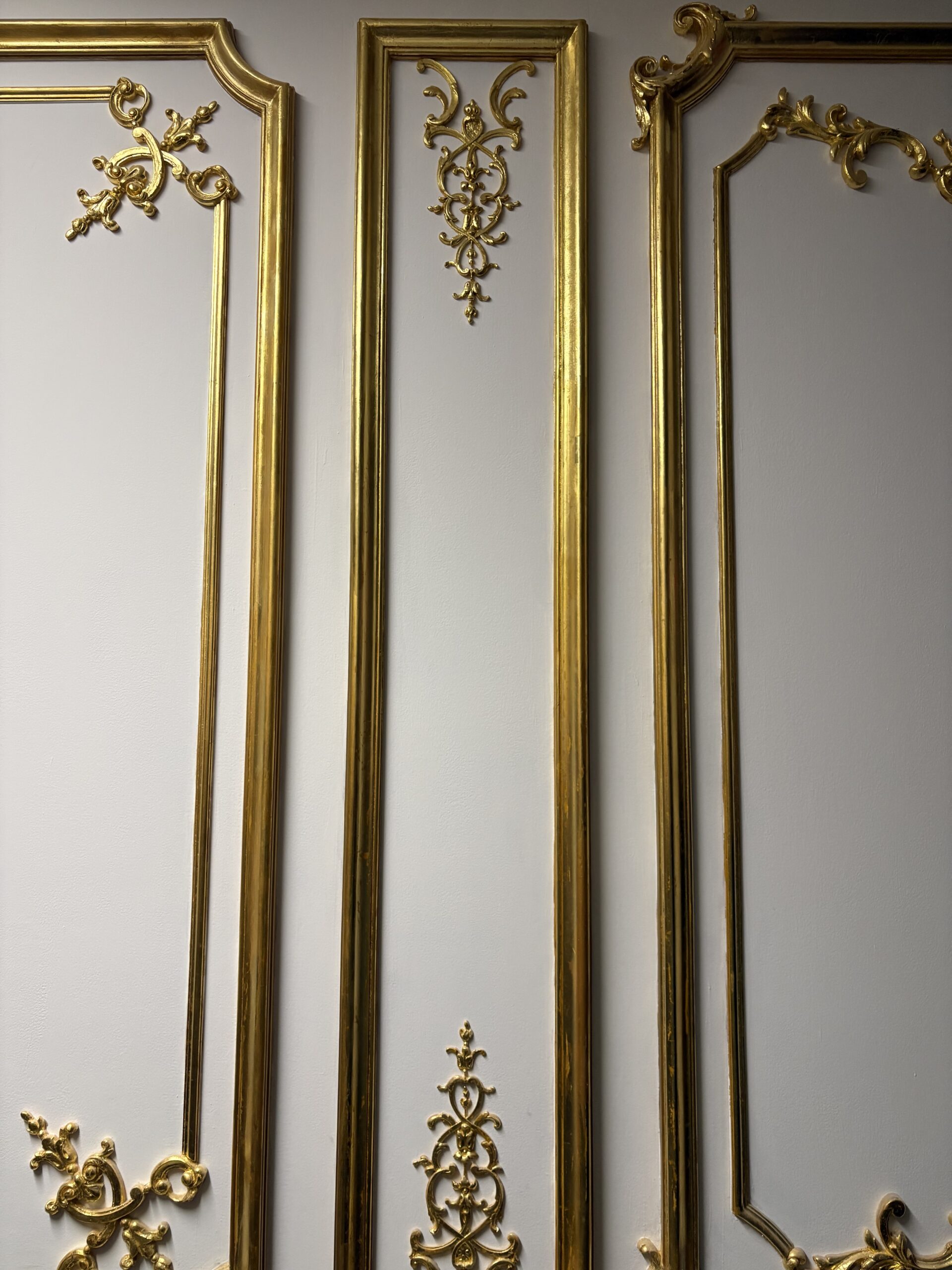
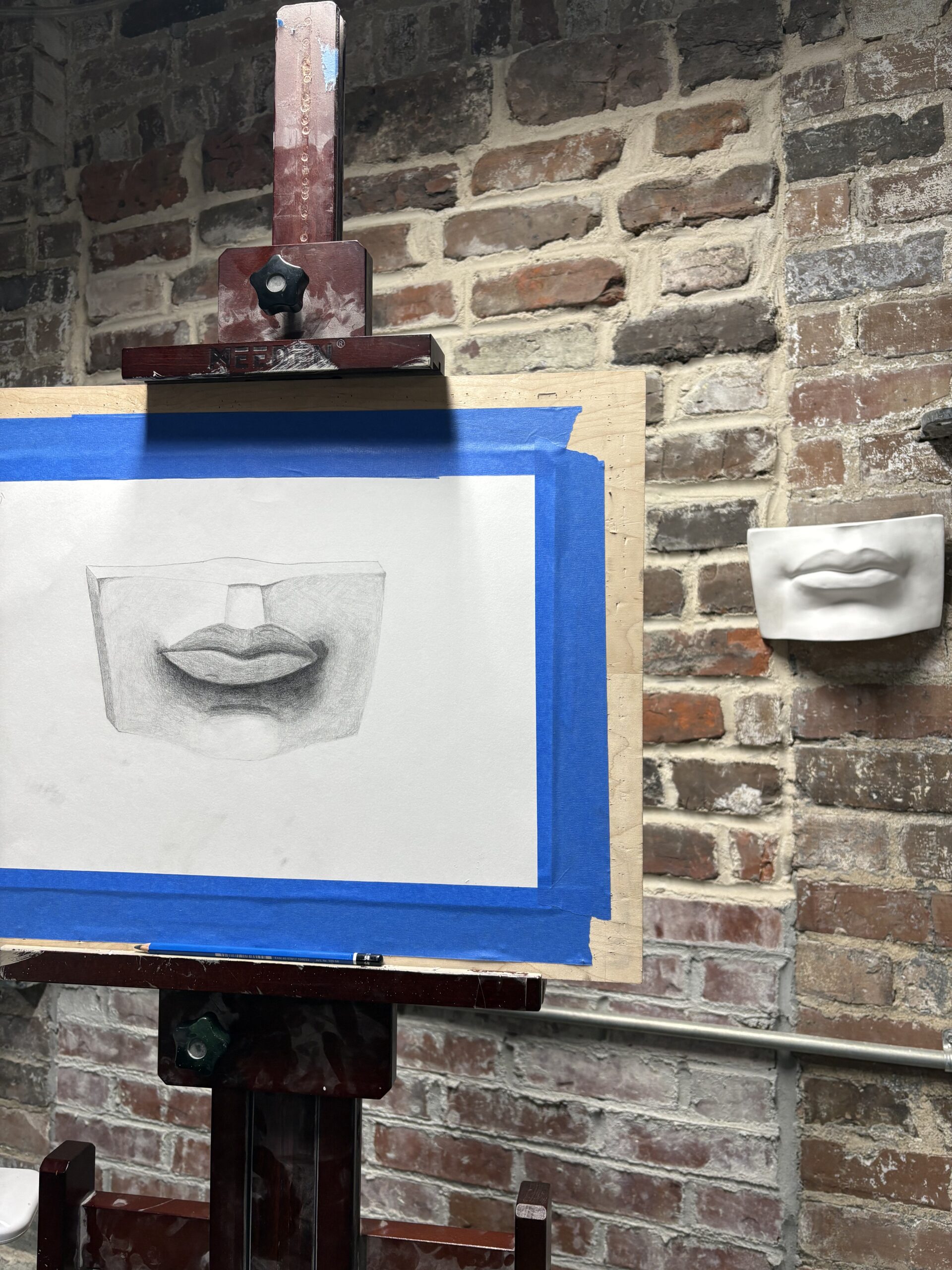
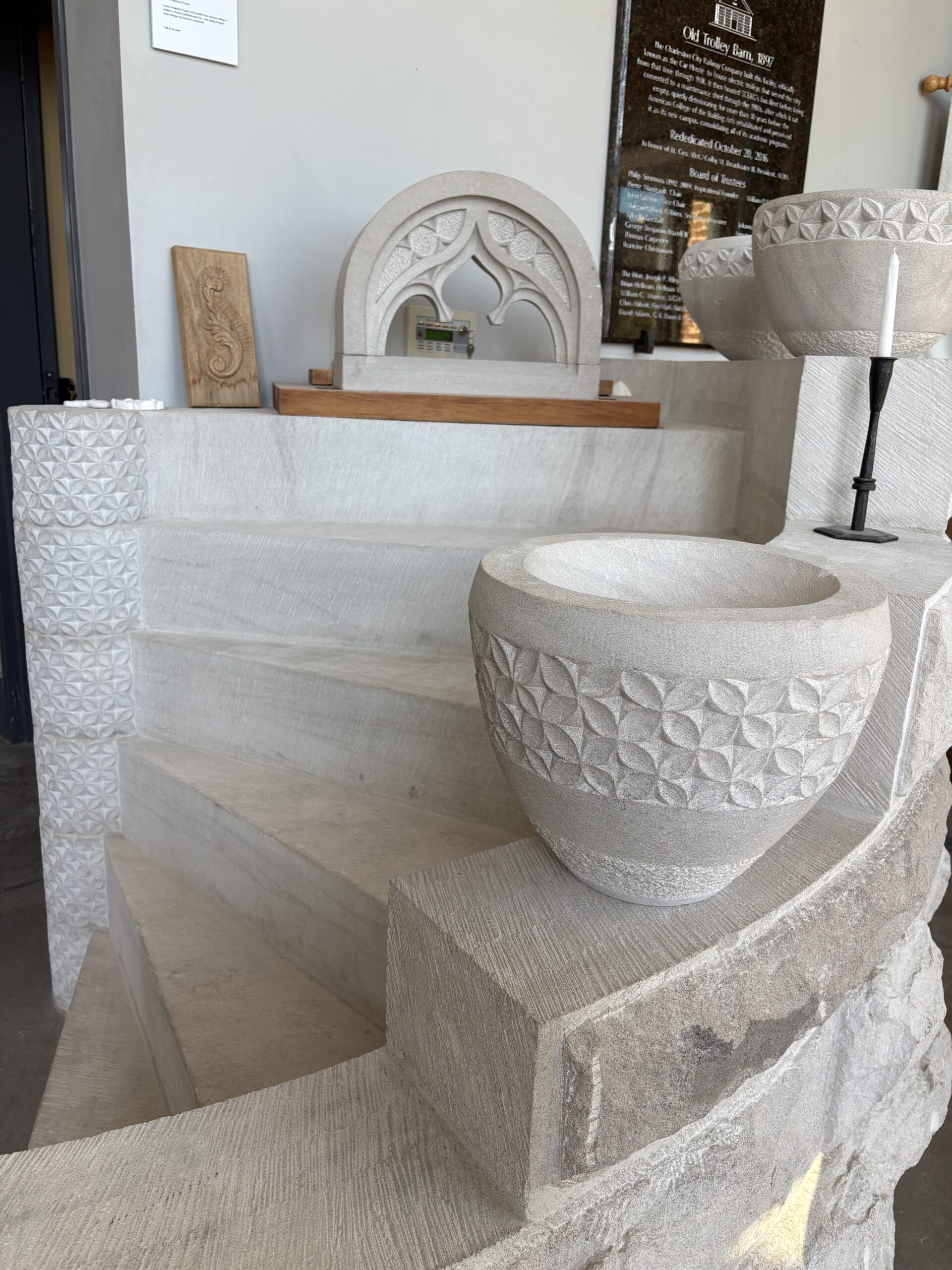
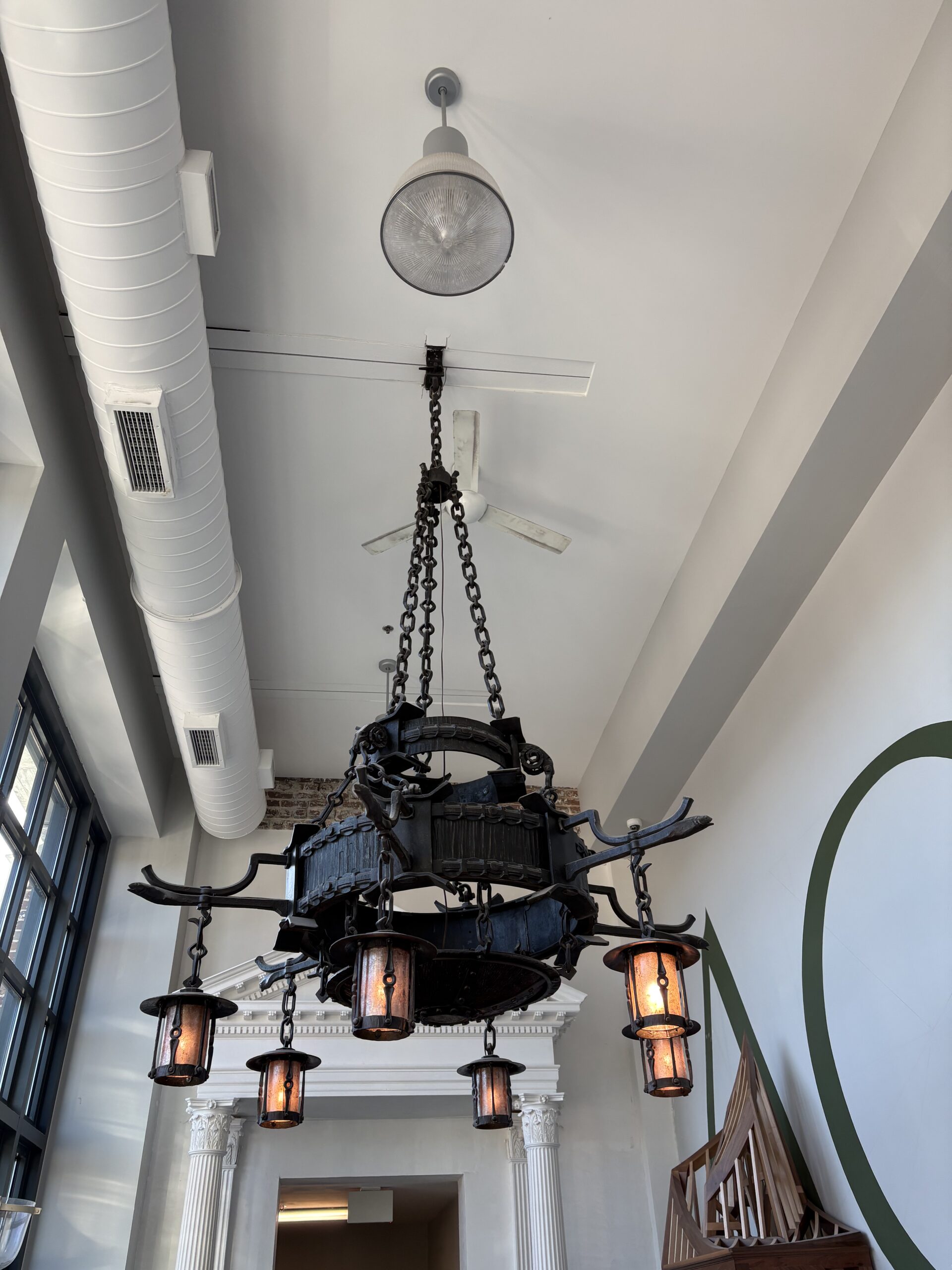
Tucked into the historic fabric of Charleston, South Carolina, the American College of the Building Arts (ACBA) is unlike almost any other undergraduate institution in the United States. With just 140 undergraduates, ACBA offers a deeply immersive, studio-based education for students who want to become master artisans, trained not only to build, but to preserve history itself. All of the work in the photos was done by students!
A Fully Urban, Hands-On Campus
ACBA operates as a fully urban, open campus, integrated into the surrounding city rather than set apart from it. There are no dorms or cafeteria, so students are responsible for securing housing and managing daily life independently—an important consideration for prospective students and families. This structure reinforces the college’s professional, apprenticeship-like model and appeals to students who are ready for a high level of responsibility.
Notably, almost everything inside the main building was made by students, from architectural elements to decorative details. The campus itself functions as a living portfolio of student work.
A Unique Student Body
The student population is approximately 80% male, and only 22% of students come from in-state, reflecting ACBA’s national, and increasingly international, draw. Some students enroll directly from high school, while others arrive after a gap year or even after completing another college degree, often seeking a more tangible, skill-driven education.
Majors Rooted in Traditional Trades
ACBA offers a four-year Bachelor of Applied Science with concentrations in traditional building and decorative arts, including:
- Architectural Stone
- Carpentry
- Timber Framing
- Blacksmithing
- Decorative Arts (such as plasterwork, woodworking, and stone carving)
The curriculum is studio-based, with students spending the majority of their time in hands-on learning environments rather than lecture halls. All students also complete drawing and drafting, directly tied to their specific trade—reinforcing the connection between design, visualization, and execution.
Preserving the Past, Training the Future
A defining feature of ACBA is its emphasis on historic preservation. Students are trained as artisans capable of restoring and maintaining historic structures, a niche but vital field. Graduates have gone on to work at prestigious sites, including Mount Vernon, underscoring the college’s strong reputation within preservation circles.
The college’s Architecture Studio complements this mission, grounding students in classical design principles and the language of traditional architecture.
Externships That Span the Globe
Every student completes three required summer externships, beginning after freshman year. Each externship totals 270 hours, and these experiences often lead directly to employment.
Externship opportunities are exceptional and sometimes international. Examples include:
- A summer in Kyoto apprenticing with a blacksmith
- Stone carvers traveling to England to work alongside master artisans in English castles
These externships are not add-ons—they are central to the ACBA experience and a major pathway to professional networks and jobs.
Academics with a Trade Focus
General education requirements are tightly aligned with the trades. Even Spanish is required, with an emphasis on construction and craft-related vocabulary—another signal that ACBA designs every part of its curriculum with professional application in mind.
The college also houses a DAR special collections library with rare books, historical periodicals and drawings, modeled after Thomas Jefferson’s personal library, which reinforces ACBA’s philosophical commitment to classical knowledge, craftsmanship, and civic responsibility.
Student Life: Small, Focused, Intentional
There are no traditional student organizations, but student life is not absent. Instead, students participate in a Student Guild, an elected body responsible for organizing events and representing the student voice. This model mirrors professional guild structures and aligns well with the college’s artisan identity.
Admissions: Selective and Personal
ACBA’s application process reflects the seriousness of its training. Applicants must submit:
- GPA and standardized test scores
- A portfolio
- An essay
- An interview
The portfolio and interview are particularly important, as the college looks for students who understand—and are genuinely committed to—the physical demands and long-term career paths of the trades.
Who Thrives at ACBA?
American College of the Building Arts is not for everyone—and that is precisely its strength. It is an excellent fit for students who:
- Learn best by doing
- Value craftsmanship and tradition
- Are drawn to historic preservation
- Want a direct path to specialized, meaningful work
- Are comfortable with independence and a small, intense academic community
For the right student, ACBA offers something rare: the chance to earn a bachelor’s degree while mastering a centuries-old craft—and to graduate with both a portfolio and a profession.
The Bottom Line
ACBA occupies a unique space between college, apprenticeship, and professional guild. It is not a substitute for a traditional university experience, nor is it a trade school in the conventional sense. Instead, it offers a rigorous bachelor’s degree designed for students who want to master a specific craft, contribute to the preservation of historic architecture, and enter a highly specialized workforce with real-world experience already in hand.
For students who know they want to build—not just design or manage—ACBA can be a powerful and purposeful choice.