

A Visit to Clemson University: Tradition, Innovation, and a Whole Lot of Orange
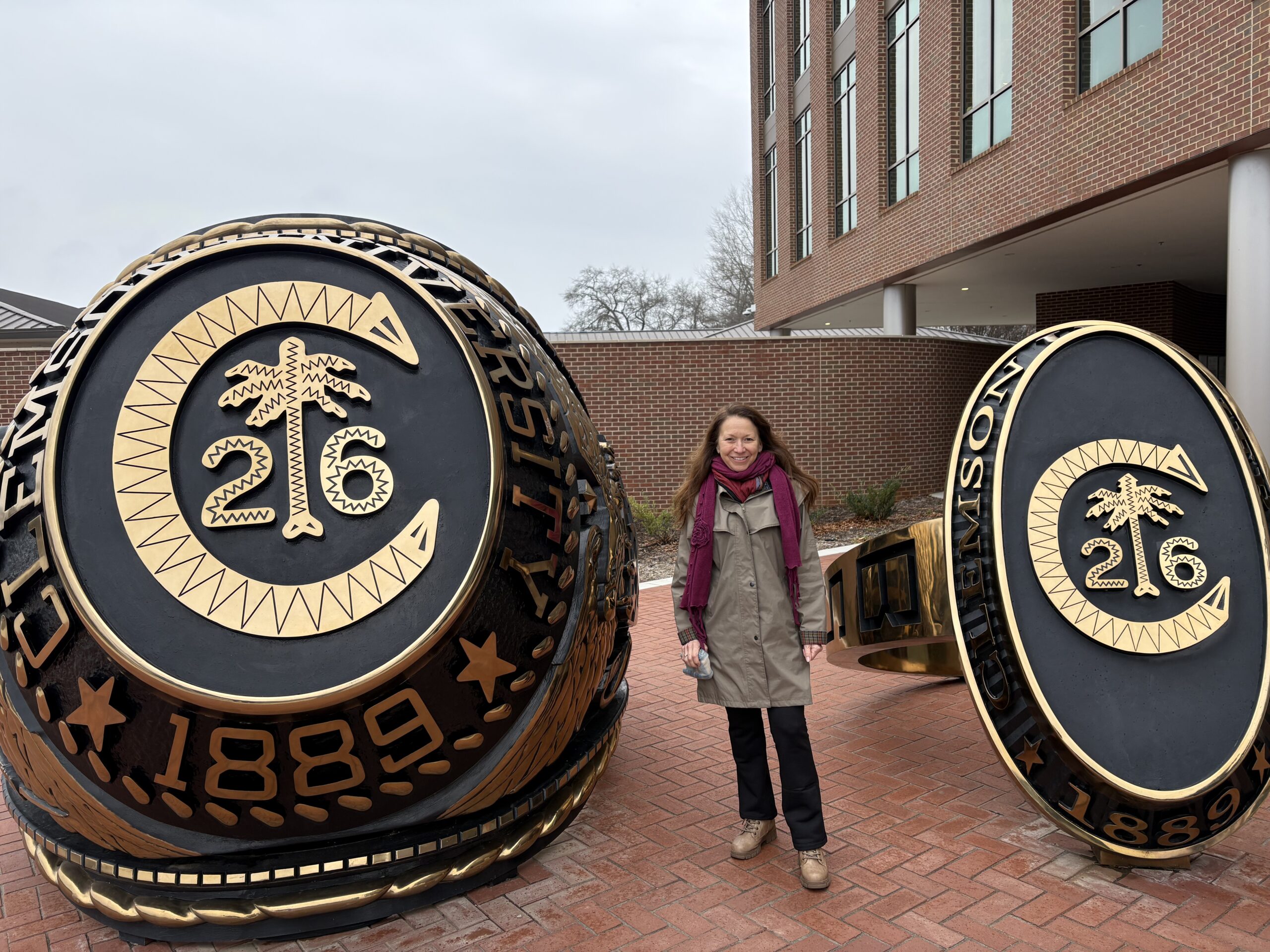
In the foothills of the Blue Ridge Mountains, Clemson University feels like the definition of a classic American college experience—only bigger, bolder, and brighter orange. My recent visit to Clemson offered a deep look into a campus that balances strong Southern traditions with cutting-edge academics, research, and experiential learning.
Clemson is a public, land-grant, R1 research university with approximately 23,000 undergraduate students, and yet it manages to feel personal and community-driven. With a median undergraduate class size of just 25 students, and fewer than 5 percent of classes enrolling more than 100 students, faculty interaction and mentoring are clearly priorities. That emphasis on mentorship came up repeatedly during the visit and is a defining part of Clemson’s culture.
Academics with a Strong Outcomes Focus
Clemson is highly selective, particularly in STEM fields. Engineering is a standout. Students enter through a general first-year engineering program before declaring a specific major—and programs like architecture, business, nursing, sports communication, and communications are especially competitive due to limited space. The university admits students by major, which makes academic fit an important part of the application process.
The Calhoun Honors College, the oldest honors college in South Carolina, offers a more intimate academic experience with honors-level coursework and dedicated housing. Only about 350 first-year students are admitted each year through a separate application process, making it a selective but distinctive opportunity.
New and emerging majors reflect Clemson’s forward-thinking approach. Recent additions include data science, human capital and education development, and automotive engineering, an especially interesting program given Clemson’s connections to NASCAR and the automotive industry. Clemson is also opening South Carolina’s first College of Veterinary Medicine, further expanding its academic reach.
Research, Innovation, and Experiential Learning
Experiential learning is central to the Clemson experience. As an R1 research institution, Clemson integrates undergraduate research across many majors. Programs like Creative Inquiry (CI) allow students to participate in faculty-led research projects and earn academic credit, sometimes as early as their first year. Several majors actually require research as part of the curriculum.
Students also benefit from an impressive Innovation Center, makerspaces, and advanced labs, including a virtual reality lab that features virtual surgery simulations. Pre-med students have access to a dedicated pre-med advisor, and Clemson’s strong emphasis on outcomes ensures students are thinking early about career preparation, co-ops, internships, study abroad, and post-graduate success.
Campus Life and Community
Clemson is very much a college-centered town, and the university is the heartbeat of the area. All first-year students are required to live on campus, which helps build a strong sense of community right away. While many students move off campus after freshman year, much of the housing remains within easy walking distance.
Housing options include living-learning communities focused on areas like Honors, STEM, ROTC, and other interests. Some residence halls have single-sex floors. Dining is another highlight. There are three main dining halls, and nutrition students help design the menus, blending academics with daily campus life.
With more than 600 student clubs and organizations, there is no shortage of ways to get involved. Greek life is active, with about 25–30 percent of students participating. The campus environment is predominantly Christian, which shapes some aspects of student life, though Clemson supports a wide range of perspectives and activities.
Tigers, Traditions, and Game Day Energy
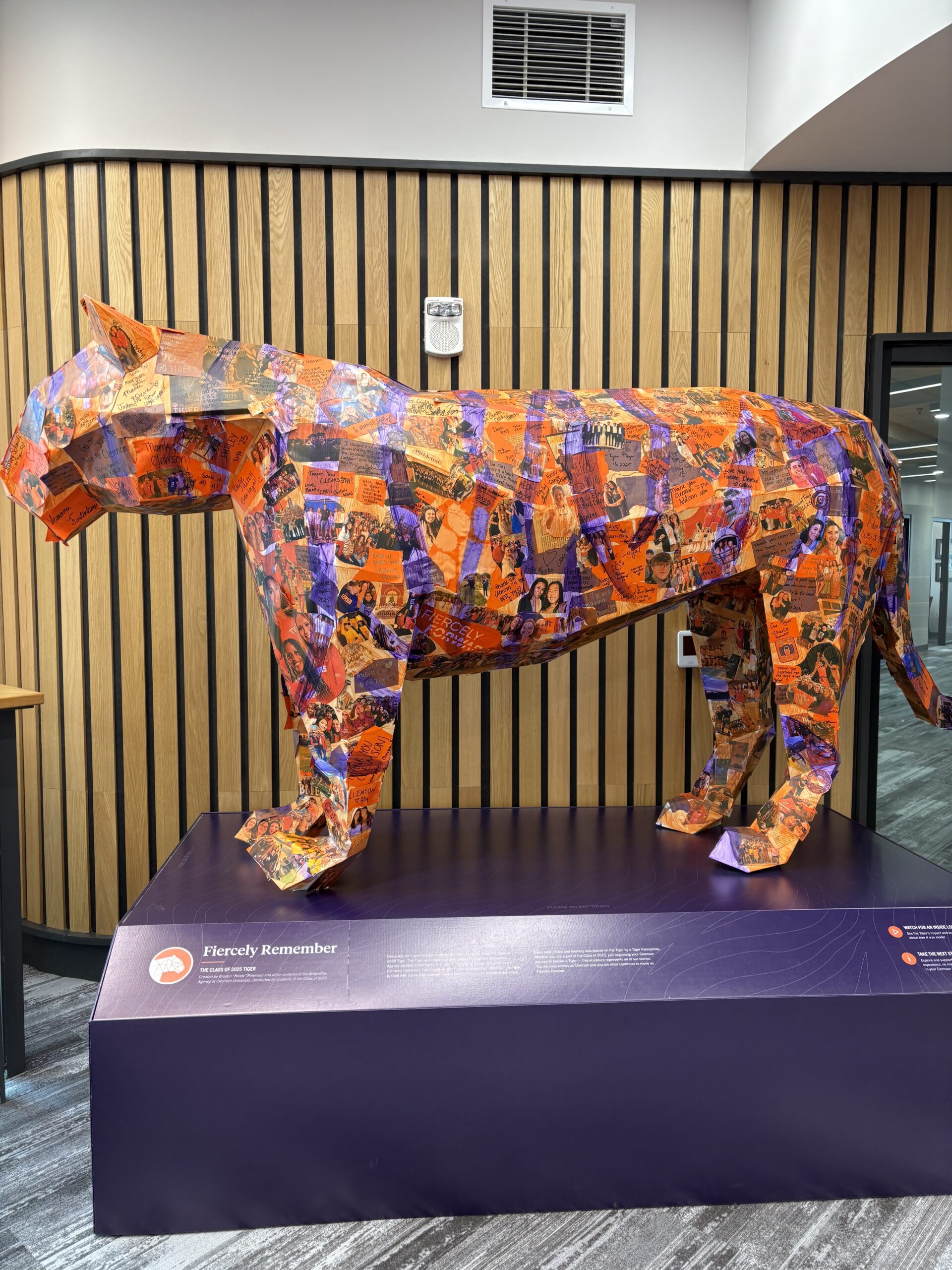
Clemson pride is impossible to miss. The mascot is the Tiger, and school spirit reaches its peak during football season. Clemson football is played in Memorial Stadium, better known as “Death Valley,” one of the most iconic venues in college sports. On game days, the entire campus turns orange as fans paint themselves head to toe and gather to watch the Tigers run down the hill into the stadium, a tradition that defines Clemson Saturdays.
Athletics are a large part of the Clemson experience, with 21 NCAA Division I teams and a fan base that shows up in force. Sports are woven into campus life, reinforcing Clemson’s strong sense of unity and tradition.
Setting and Surroundings
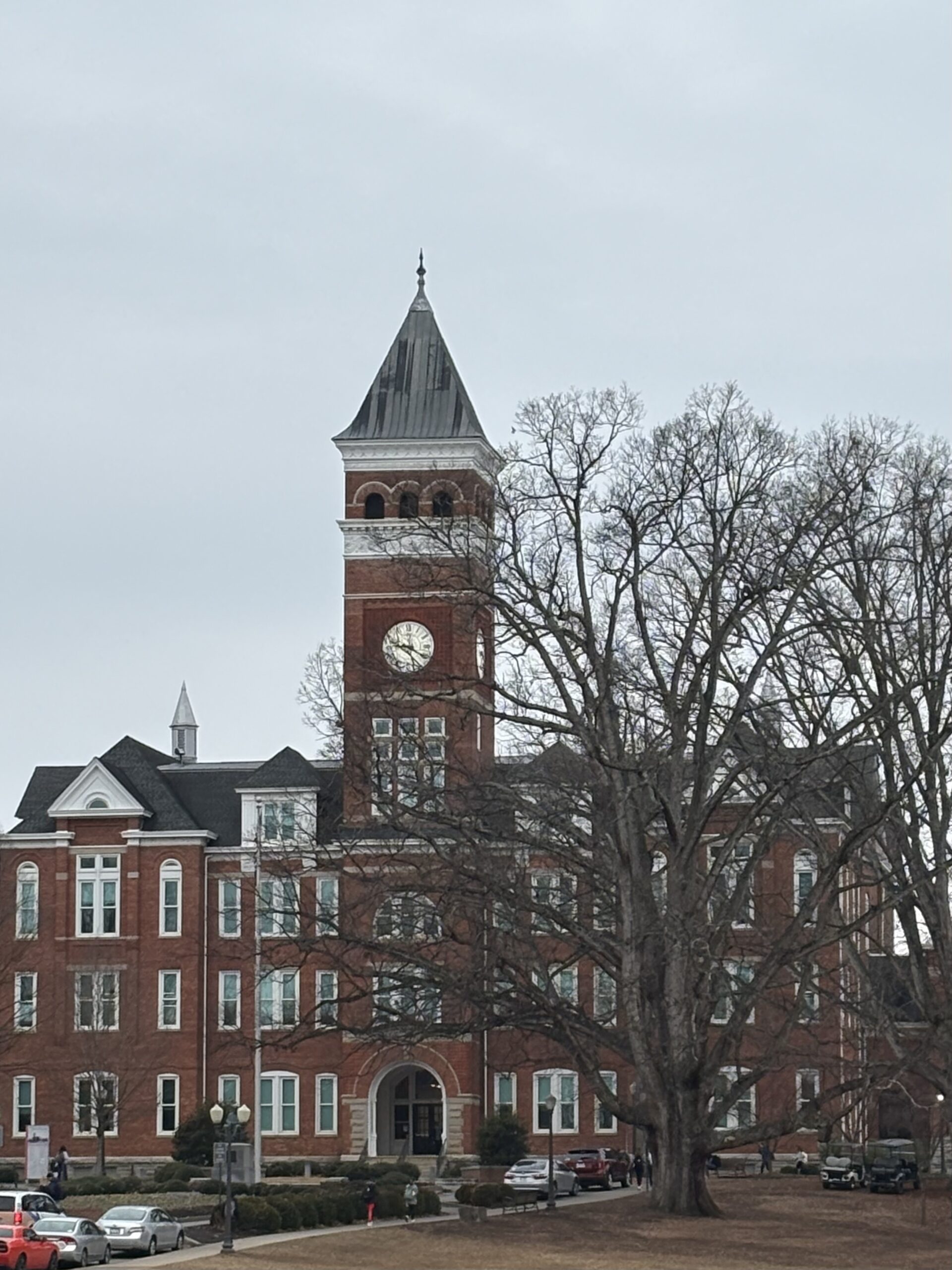
The campus itself is stunning. Clemson has a traditional college campus feel, set beside Lake Hartwell and bordered by the Clemson Experimental Forest, a 19,000 acre forest that is a natural resource laboratory used for research, education recreation. The nearby mountains, just 30 miles away, add to the appeal, offering outdoor recreation and a scenic backdrop that enhances daily life on campus.
Admissions Snapshot
Clemson is test-optional and offers both fall and summer admission options. About 59 percent of students are from South Carolina, creating a strong in-state presence while still drawing students nationally. Roughly 10 percent of students begin their Clemson journey through the Bridge to Clemson program, a structured transition option that supports students before they fully enroll on campus.
Clemson University stands out as a place where tradition meets innovation. It offers a spirited, quintessential college environment paired with rigorous academics, meaningful research opportunities, and a clear focus on preparing students for life after graduation. Whether it’s the roar of Death Valley on a Saturday, hands-on research through Creative Inquiry, or the mentorship that defines the academic experience, Clemson leaves a lasting impression –one that’s unmistakably orange.