

College of the Holy Cross – Jesuit Values
First Impressions
During my visit to College of the Holy Cross in Worcester, MA, I immediately got a sense of a close-knit, thoughtful academic community. With 3,300 undergraduates and no graduate students, the campus feels intentionally focused. Everything here is built around the undergraduate experience, from small class sizes to direct access to professors and research opportunities. There are no teaching assistants, which reinforces how central faculty interaction is to student life.
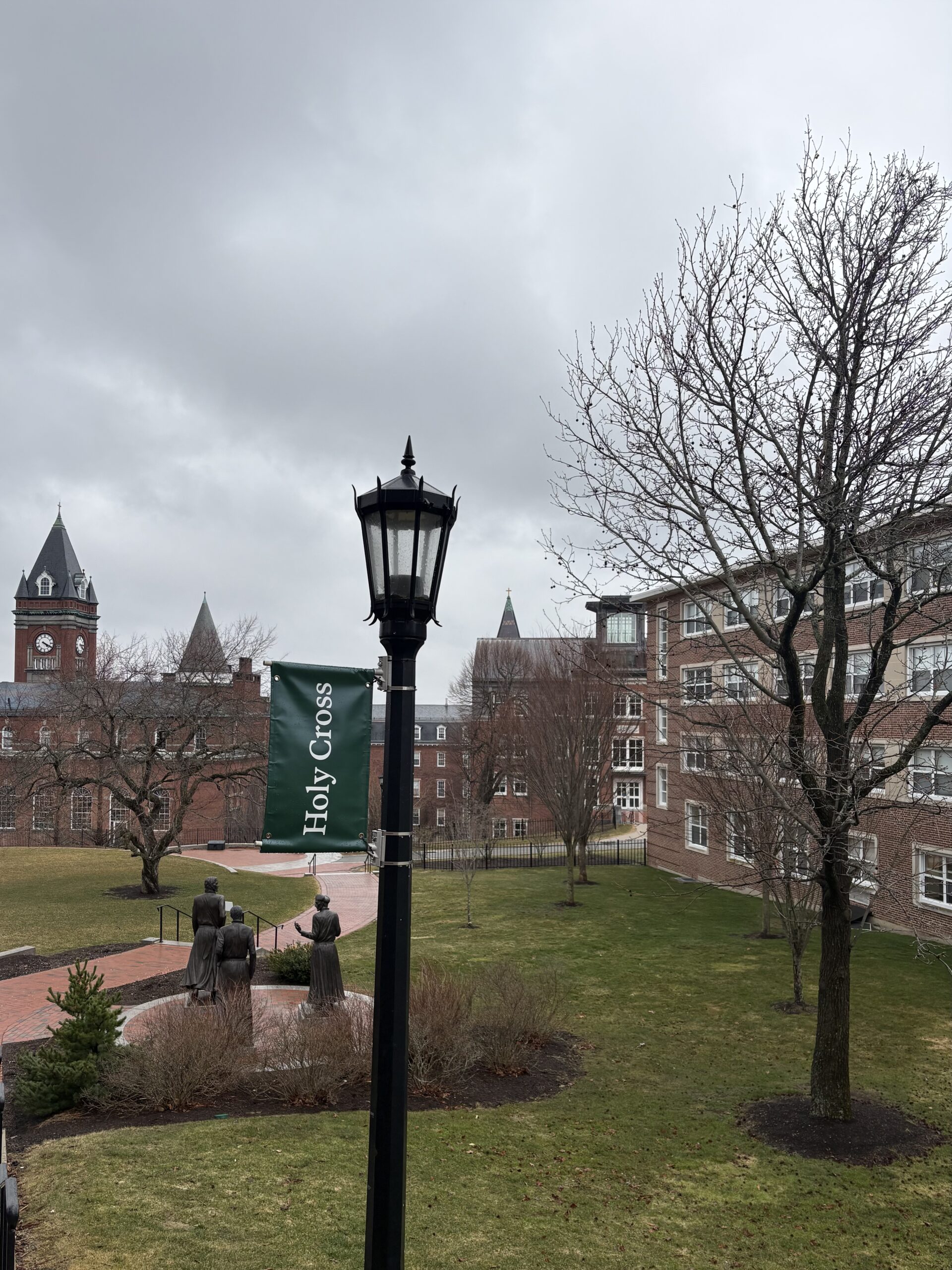
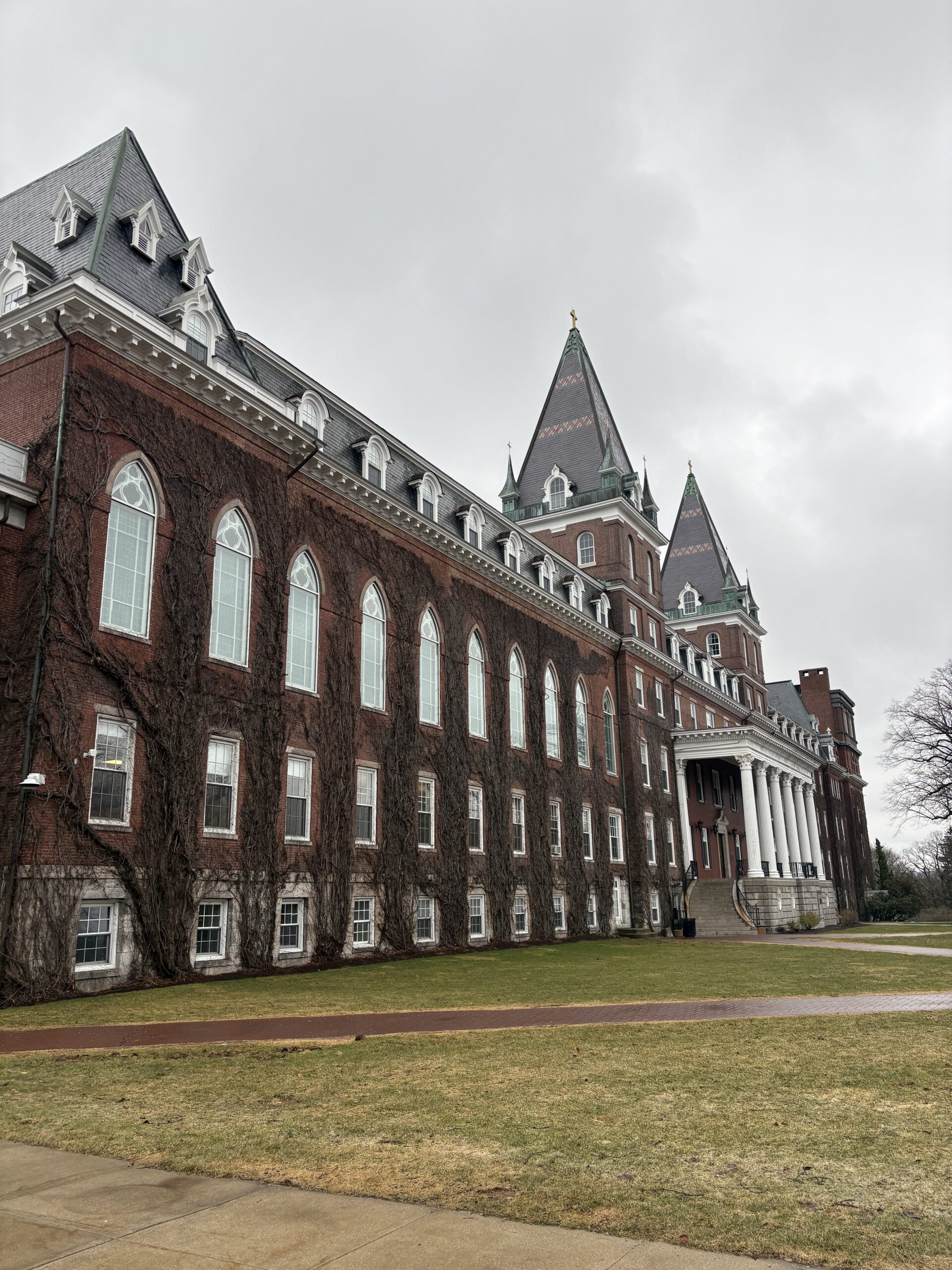
The campus itself spans 174 acres and strikes a balance between tradition and recent growth. It feels established but not static, with clear signs of investment in new facilities and student life.
A Jesuit Education Rooted in Dialogue
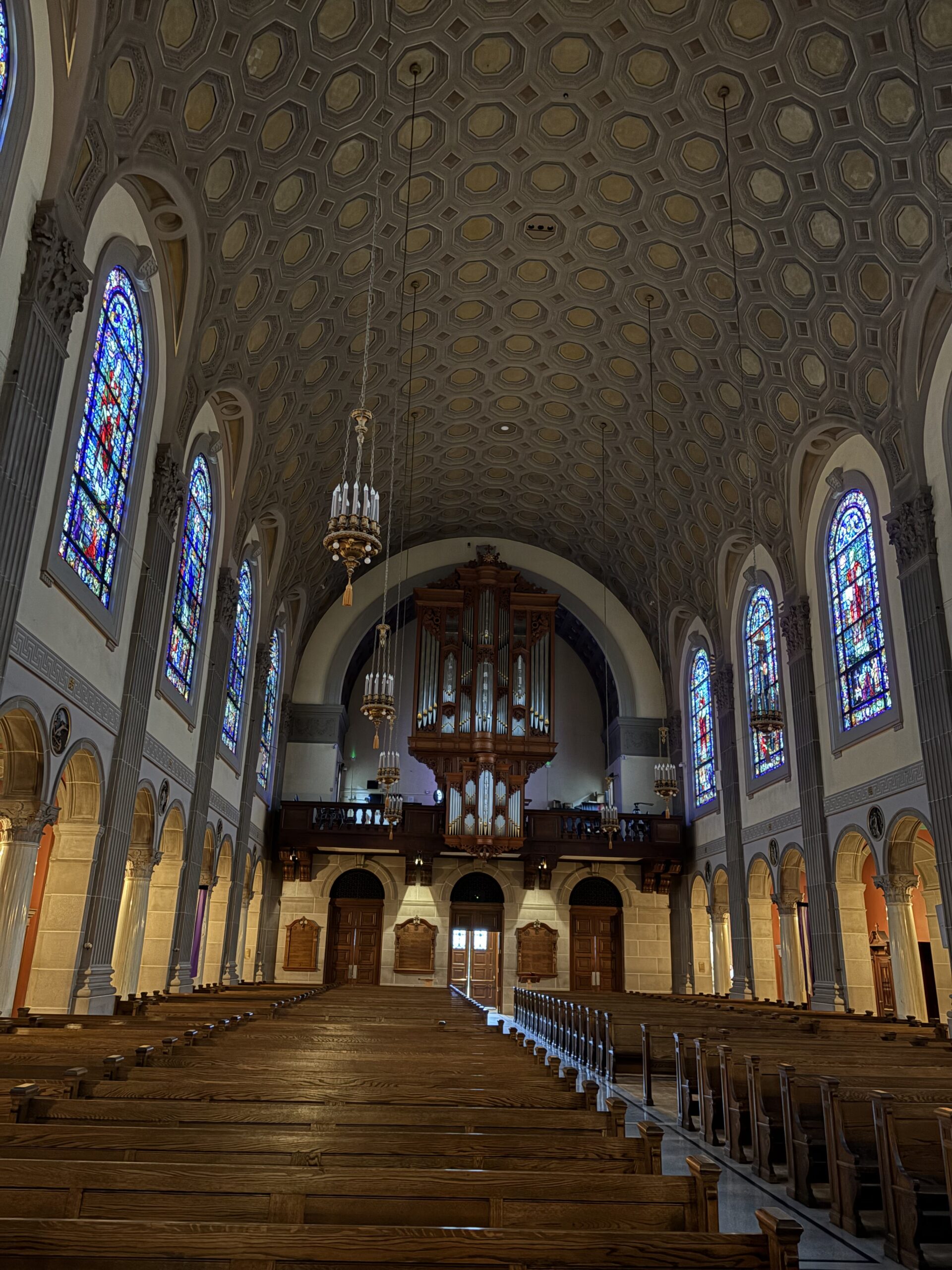
Holy Cross is a Jesuit institution, and that identity shows up not as something rigid, but as something reflective and inclusive. About half of the student body identifies as Catholic, yet the school emphasizes dialogue and welcomes students of all faiths or no faith at all.
Students are required to take one religious studies course, though it does not have to focus on Catholicism. This speaks to the broader goal of intellectual exploration rather than doctrinal instruction.
A key concept here is cura personalis, or care for the whole person. That philosophy is evident in the strong advising structure, emphasis on reflection, and the level of student support available. There is also a strong culture of service, with many students actively engaged in community work.
Academics and Opportunities
Academically, Holy Cross leans into its liberal arts foundation. All students enter undeclared, which encourages exploration before committing to a major. It is common for students to pursue double majors, minors, or interdisciplinary programs.
Experiential learning is a major strength. Students have opportunities for research alongside faculty, and programs like study abroad, Maymester, and the Washington, DC program expand learning beyond the classroom.
The school also reports strong retention and graduation rates, which reflects both student satisfaction and institutional support.
Campus Life and Facilities
The campus offers a wide range of facilities that support both academic and personal development. The performing arts center stands out as a beautiful and modern space, while the Joyce Contemplative Center offers a very different kind of experience. Located off campus, it can host up to 60 people overnight and is used for retreats, including silent and yoga retreats.
Housing is another area of growth, with new upperclassmen townhouses and wellness-focused living options. In total, there are 13 residence halls, giving students a variety of living environments throughout their time on campus.
Athletics are also a big part of life here. Holy Cross competes at the Division I level, and about a quarter of students are varsity athletes. The athletic facilities reflect that commitment and are among the more impressive aspects of the physical plant of the campus.
Community and Alumni Connections
There is a strong sense of community that extends beyond graduation. The phrase “Crusaders supporting Crusaders” came up often, highlighting the strength of the alumni network. Students are encouraged to tap into this network early, and it seems to play a meaningful role in internships and career opportunities.
Notable alumni include Dr. Anthony Fauci, poet Billy Collins, and novelist Edward P. Jones, which speaks to the range of paths students take after leaving Holy Cross.
Admissions Insights
Admission to Holy Cross is highly selective, with an acceptance rate around 17 percent. The process is test optional, but demonstrated interest plays an important role. Interviews are highly recommended and can help applicants stand out.
Early Decision is significant here, with about 60 percent of the incoming class filled through ED, including recruited athletes. This makes the Regular Decision pool more unpredictable.
Financial aid is another important aspect. The college meets 100 percent of demonstrated financial need and offers merit-based scholarships. Financial aid packages are consistent whether a student applies Early Decision or Regular Decision, and application fees are easily waived upon request. The school is need aware in its admissions process.
For students who are waitlisted, the guidance is clear: opt in and stay in contact with the admissions office.
My visit to Holy Cross left me with the impression of a school that is both grounded and evolving. It combines a strong liberal arts education with a clear sense of purpose rooted in Jesuit values. The emphasis on dialogue, service, and personal growth creates an environment that feels both rigorous and supportive.
For students looking for a smaller, undergraduate-focused college with strong academics, meaningful mentorship, and a values-driven community, Holy Cross could be a great option.