A Visit to WPI: Where Innovation Meets Impact
I was recently invited by the Worcester Area Counselor Tour to visit five colleges in Worcester, MA. I learned that Worcester is the second largest city in New England with a vibrant and diverse arts, music and food scene. Who knew?
First up was Worcester Polytechnic Institute (WPI). What stood out most was how intentionally the school blends academics with real-world experience. WPI offers a distinctive model that is structured, flexible and highly collaborative. With a 94% retention rate, clearly students are happy at WPI.
Campus and Community
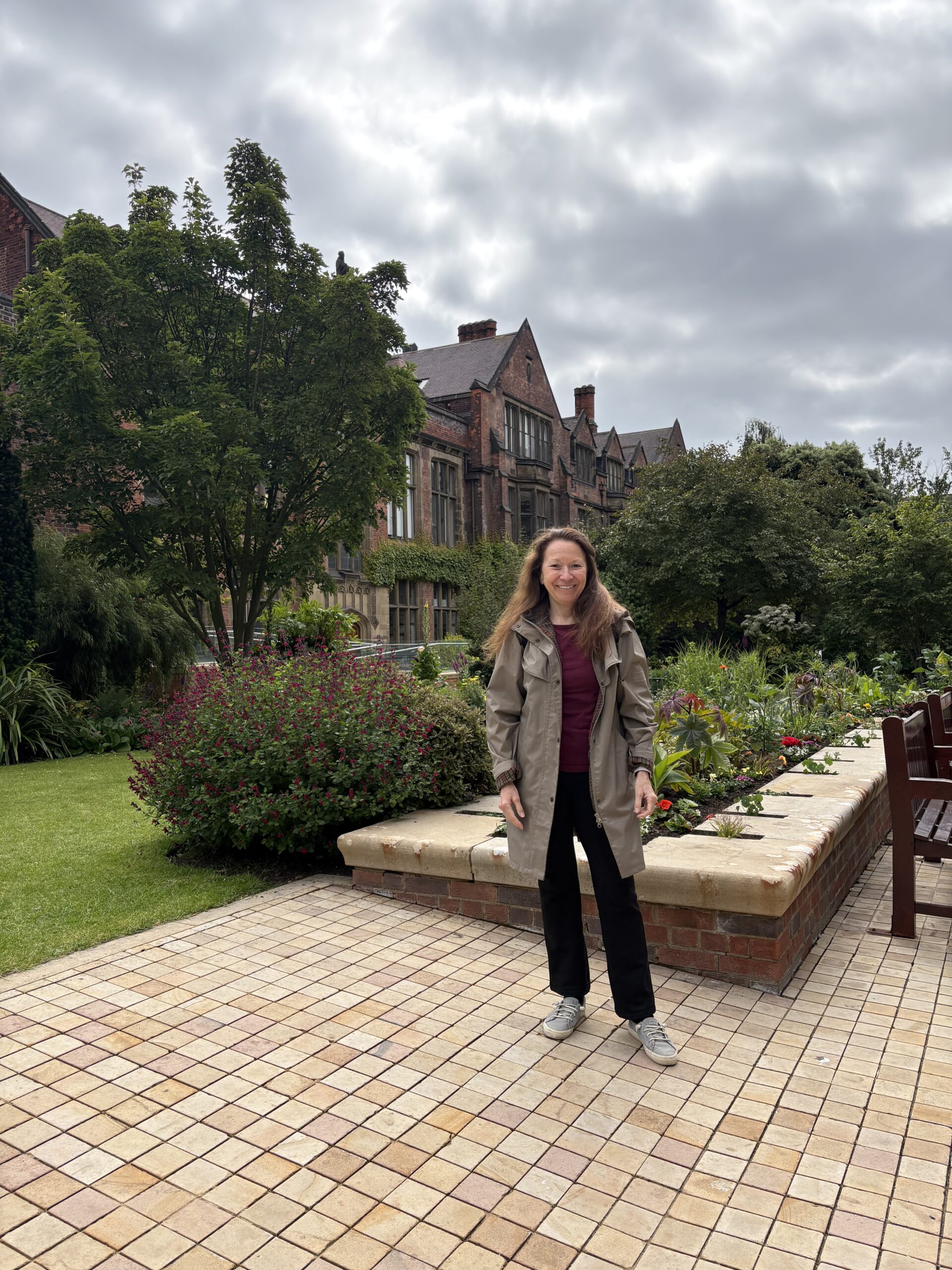
The campus does not have the sterile feel of some technically oriented colleges. In fact, it is quite beautiful. WPI strikes a balance between being small enough to feel personal and large enough to offer opportunity.
- About 5,500 undergraduate students
- Approximately one-third women and five percent international students
- 35 buildings on a 95-acre campus
The campus felt connected and easy to navigate.
Academics and Flexibility
One of the first things students should know is that the academic structure is very flexible.
- Students are admitted to the university, not a specific major
- Major is declared after the first semester of freshman year
- Many students double major or add a minor
This approach gives students time to explore before committing to a particular field, which can reduce pressure early on. It also allows for depth in degree beyond just one major.
A Grading System That Encourages Risk-Taking
WPI’s grading system is designed to prioritize learning. What a concept? I particularly liked this since education should be about taking some academic risks.
- No plus or minus grades
- NR (No Record) if a course is not passed
- NR does not impact GPA or appear on transcript
This creates an environment where students feel more comfortable taking academic risks and possibly finding another field that they never would have otherwise considered.
Fast-Paced Academic Structure
WPI operates on a quarter system, which creates a unique rhythm.
- Three courses per term
- Each course lasts seven weeks
- Classes meet more frequently
Students tend to stay focused because they are immersed in fewer subjects at a time.
The WPI Plan: Learning by Doing
At the core of the experience is a project-based curriculum known as the WPI Plan.
- Great Problems Seminar in freshman year
- Humanities and arts requirement (three courses)
- Interactive Qualifying Project focused on real-world problem solving
- Senior thesis or major qualifying project
Students are consistently building teamwork, communication, and problem-solving skills alongside technical knowledge.
WPI is a school built for students who want to actively engage in their education and see the real-world impact of what they learn.
- Hands-on, project-based learning at the center of the experience
- Strong emphasis on collaboration, communication, and problem solving
- Global opportunities that extend learning beyond the classroom
- Excellent career outcomes and return on investment
Global Projects and Real-World Experience
What truly sets WPI apart is how students apply what they learn.
- Team-based projects addressing real community needs
- More than 40 global project centers
- Most students participate starting sophomore year
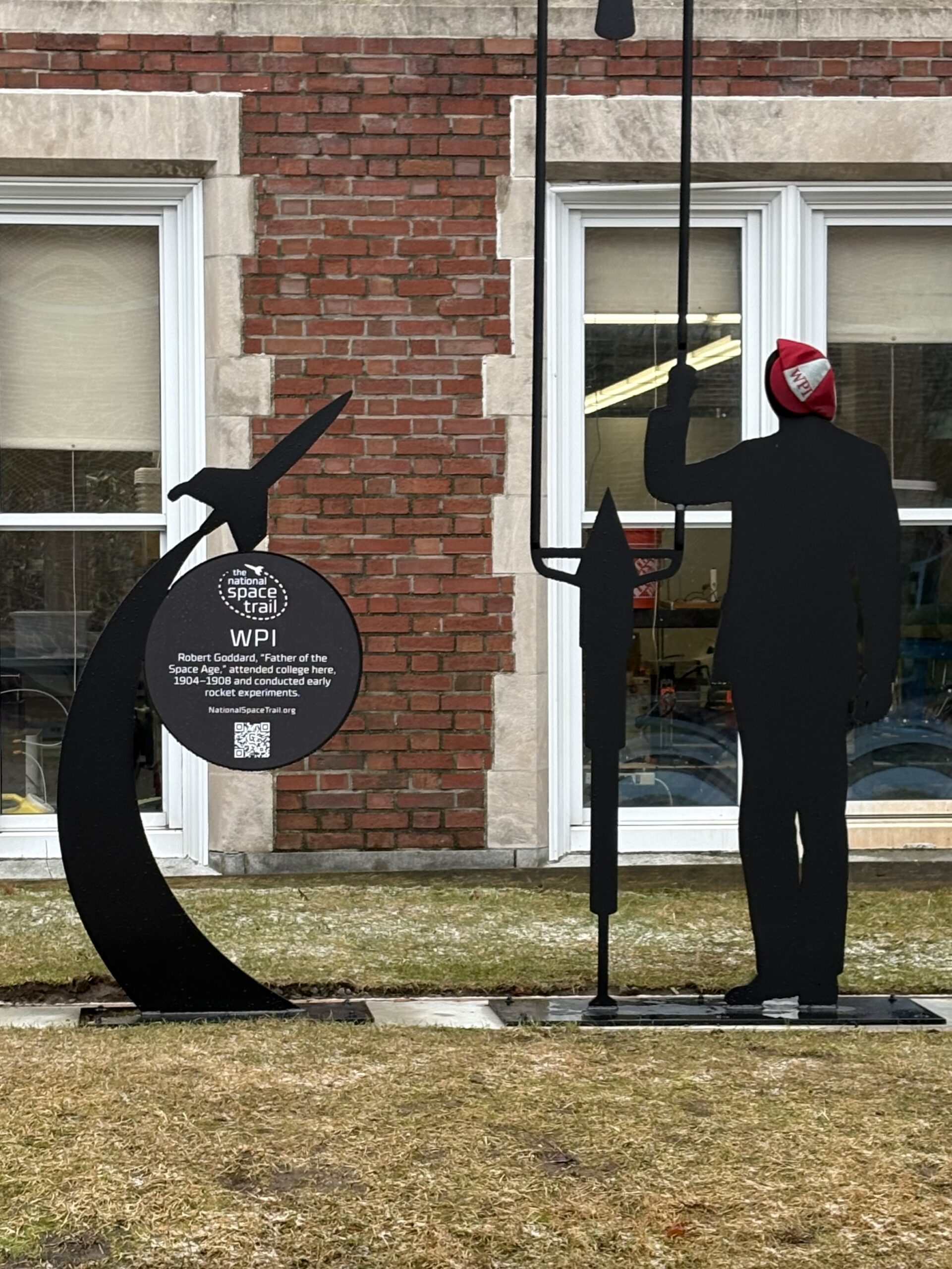
These experiences help students build confidence and stand out when applying for jobs or internships. Talk about real world experience – Robert Goddard, often referred to as the father of modern rocketry, was an undergrad at WPI.
Academic Strengths
WPI is especially strong in STEM fields, particularly engineering.
- Popular majors include mechanical, robotics, and biomedical engineering
Robotics is a major highlight. We were treated to a lecture given by a dynamic professor who was instrumental in starting the robotics degree at WPI. He mentioned that WPI designed a robot used in the movie The Rule Breakers.
- First bachelor’s degree in robotics engineering in the U.S.
- First independent robotics engineering department
- 18 robotics labs
- Opportunities to mentor high school robotics teams
Other notable areas include:
- New majors such as artificial intelligence, cybersecurity, and business analytics
- Unique options like architectural engineering and fintech
Outcomes and Return on Investment
WPI offers strong outcomes that matter to families.
- Combined bachelor’s and master’s degrees in four to five years
- Average starting salary around $80,000
The emphasis on applied learning translates well into career readiness.
Research and Opportunities
Despite its size, WPI is highly research active. It is an R1 research institution, the smallest school in this category. Often, students have access to research earlier than at larger universities.
Student Life
The campus culture is active and engaged.
- About 30 percent of students involved in music
- Strong presence of bands and theater
- Unique clubs such as cheese and Lego clubs
- Greek life focused on philanthropy
- 20 Division III athletic teams
Students seemed genuinely involved and connected to campus life.
Support and Advising
WPI emphasizes student support. There are two advisors per student with a strong mentorship culture. Students develop close faculty relationships due to the college’s relatively smaller size.
Scholarships and Financial Aid
- Merit scholarships typically range from $25,000 to $35,000 per year
- No separate merit application required
- FIRST Robotics scholarships are stackable
For students who enjoy learning by doing in STEM fields, WPI offers a distinctive and highly practical college experience.