
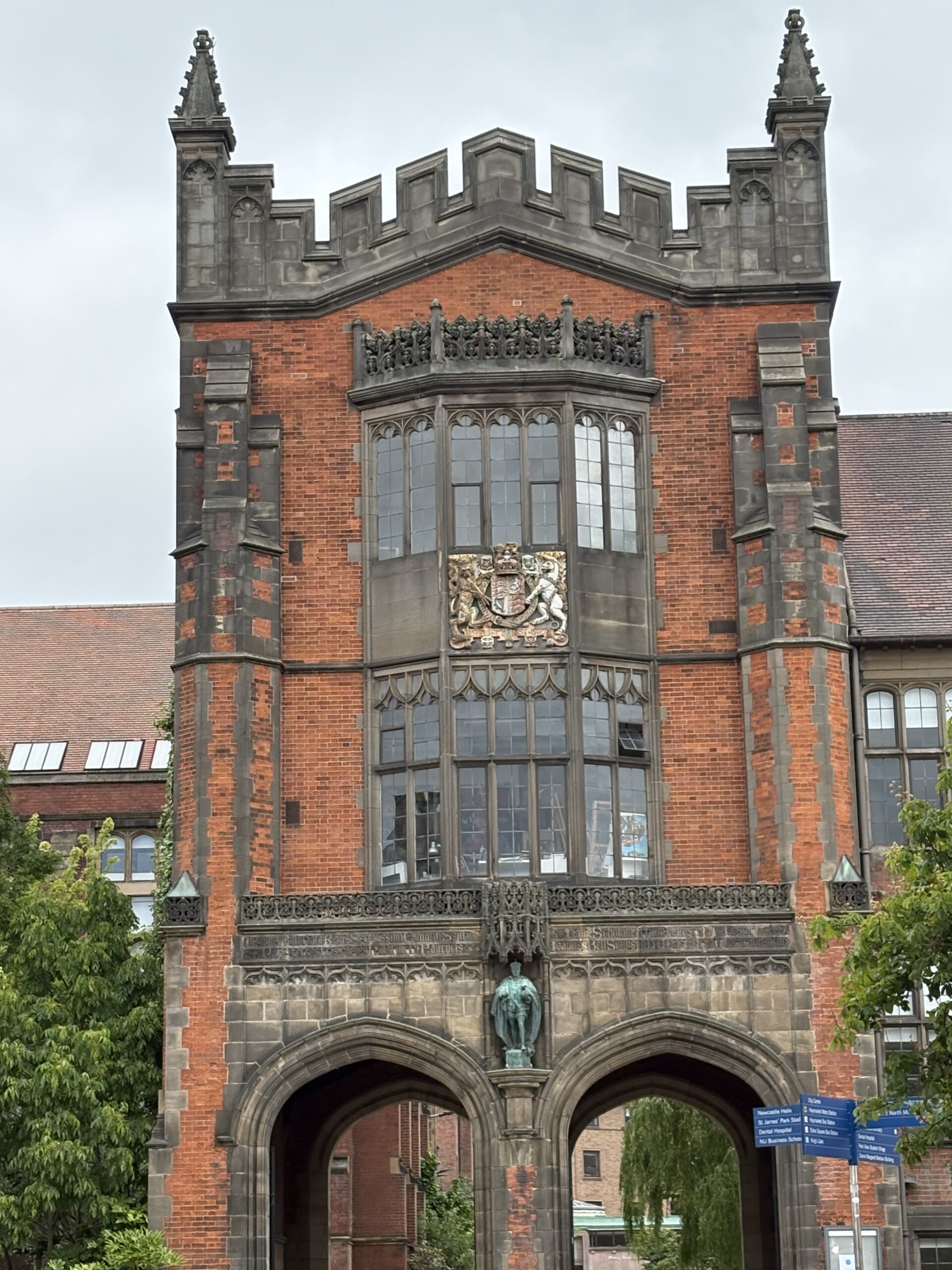
Newcastle University: Innovation, Opportunity, and One of the UK’s Best Student Cities
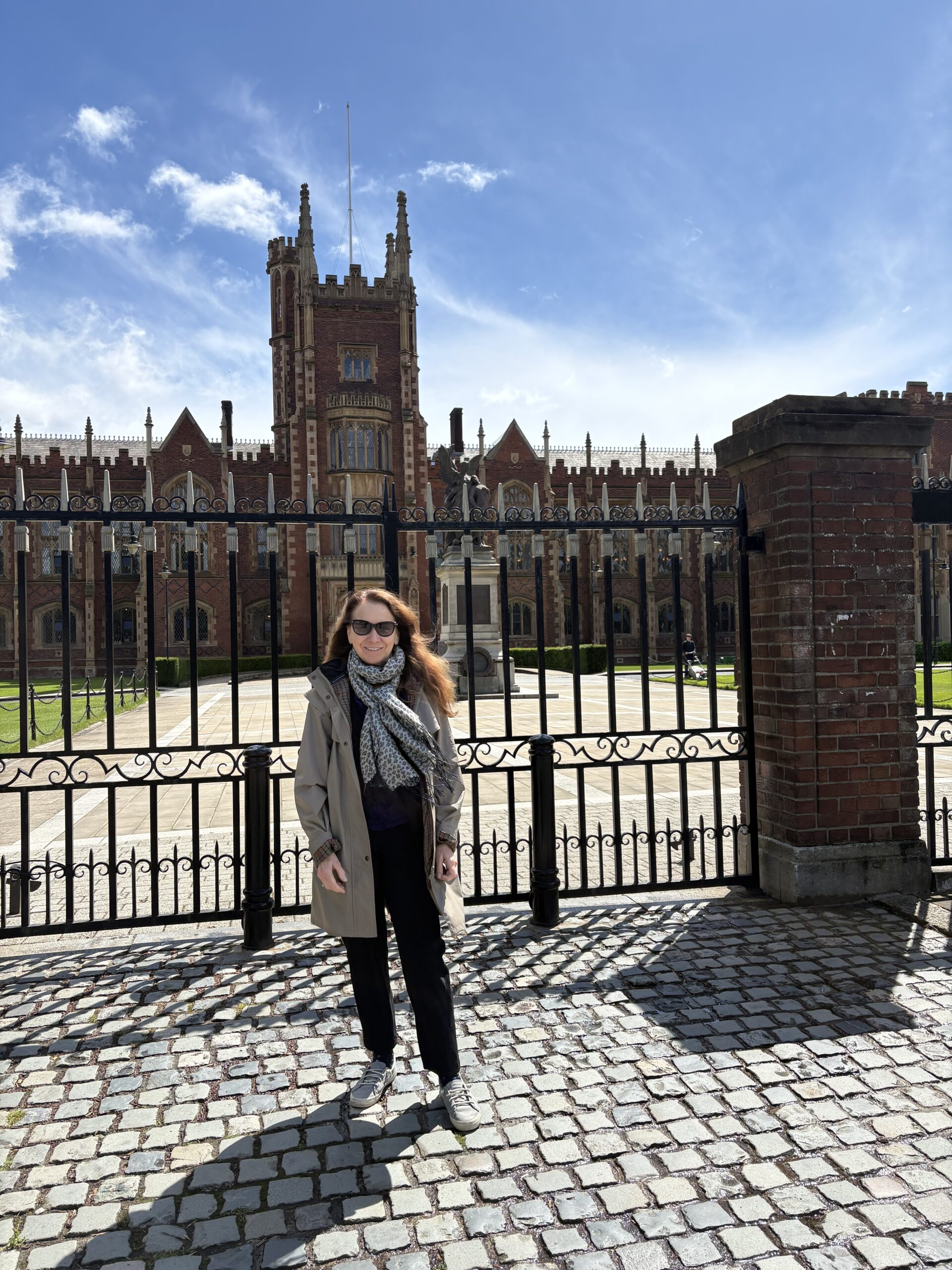
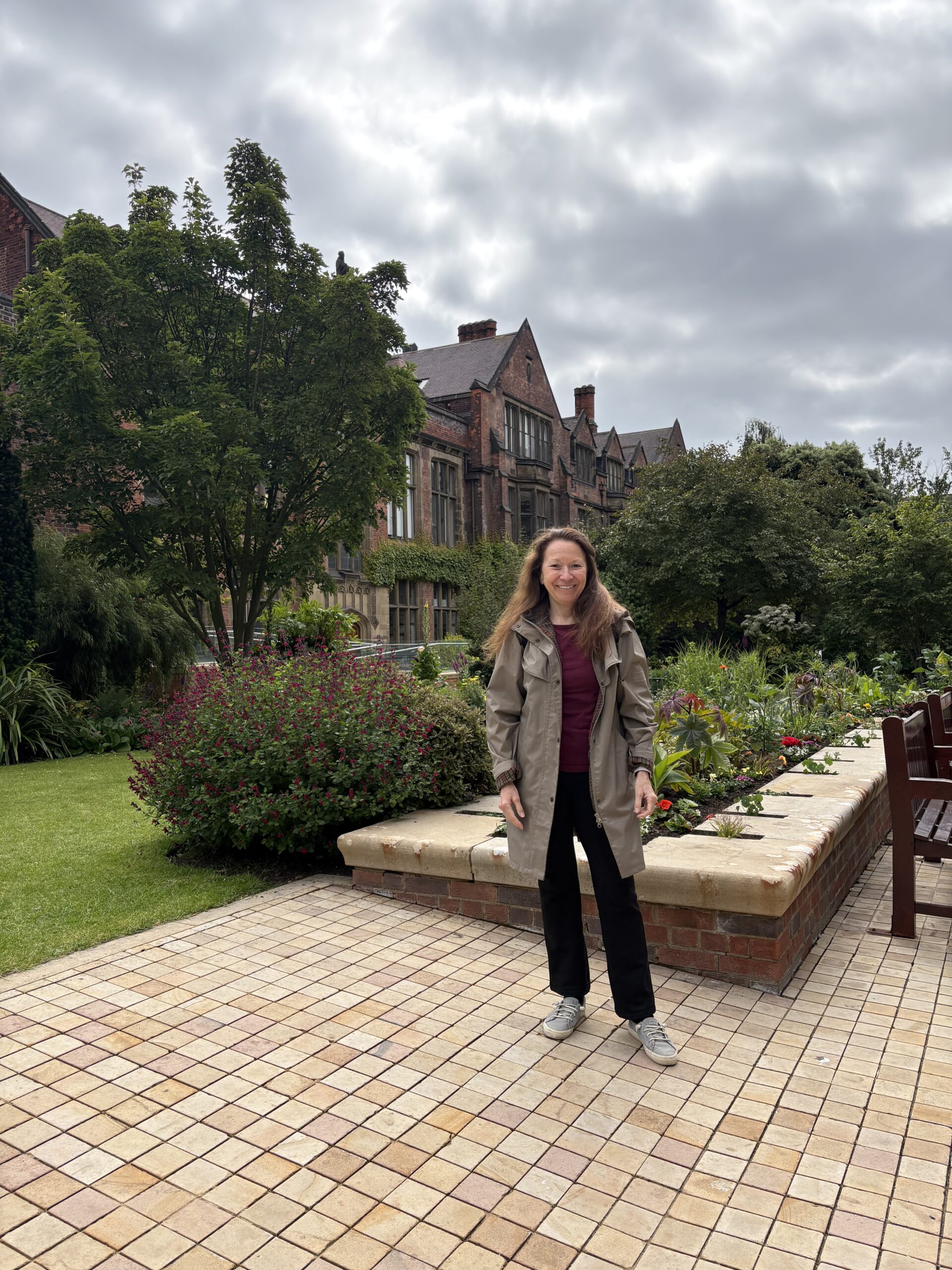
One of the great joys of visiting universities is re-discovering places that exceed your expectations. That was certainly the case with Newcastle University, a university that I first visited ten years ago. From the moment I arrived, I found a university that has successfully combined academic excellence, cutting-edge research, industry partnerships, and an energetic student culture into an experience that prepares students not only to earn a degree but also to launch a successful career.
As a member of the prestigious Russell Group, Newcastle University is recognized as one of the United Kingdom’s leading research-intensive universities. With approximately 28,000 students representing more than 120 nationalities, including about 25% from outside the UK, it offers an international learning environment while maintaining a welcoming and approachable campus.
A City Built Around Students
One statistic says almost everything you need to know about Newcastle: roughly one in every five people living in the city is a university student.
That youthful energy is impossible to miss. Newcastle is compact enough to explore on foot but large enough to offer everything students could want. Restaurants, cafés, theaters, art galleries, parks, live music, sporting events, and shopping are all within easy reach. Students are also minutes from beautiful beaches, the dramatic Northumberland coastline, and centuries of historic architecture. Edinburgh is just a 90-minute train ride away, making weekend outings incredibly convenient.
Innovation Isn’t Just a Buzzword
If there is one place that captures Newcastle University’s vision for the future, it is Newcastle Helix.
Built with approximately half a billion dollars of investment, Helix is far more than an impressive collection of buildings. It is a thriving innovation district where the university collaborates with businesses, entrepreneurs, and researchers to solve real-world problems. The development includes the Business School, the School of Computing, the National Innovation Centre, the Frederick Douglass Centre, and eventually about 150 companies employing roughly 4,000 people.
Imagine leaving your engineering lecture and walking a few minutes to collaborate with professionals working on the technologies shaping tomorrow’s economy. That’s exactly the kind of environment Newcastle is creating.
The university’s Business School, one of only a select number worldwide to hold triple accreditation, is also recognized for its entrepreneurial focus. Its Start Up program is ranked fourth in the UK for companies launched by students, giving aspiring entrepreneurs exceptional support to turn ideas into successful businesses.
Learning by Doing
Throughout my visit, one theme kept resurfacing: experience matters.
Most degree programs include the option of a placement year, allowing students to gain valuable professional experience before graduating. Newcastle also benefits from its location in northeast England, which produces more STEM graduates than anywhere else in the UK and continues to attract investment in advanced manufacturing, technology, healthcare, engineering, and clean energy.
The university works closely with industry to ensure students graduate with relevant skills. Every engineering program has an advisory board made up of industry professionals who help shape the curriculum based on emerging technologies and workforce needs.
That commitment to employability is reflected in Newcastle’s impressive 96% completion rate for students pursuing three-year bachelor’s degrees.
Engineering That Inspires Creativity
The engineering facilities were among the highlights of my visit. Students begin with a common first year in most engineering disciplines, giving them the flexibility to explore different fields before choosing a specialization. From there, they have access to outstanding facilities that encourage both collaboration and innovation.
The Makerspace quickly became one of my favorite stops. Open to students from every discipline, it features 3D printers, laser cutters, sewing machines, fabrication equipment, and knowledgeable technicians who help students transform ideas into reality. Student organizations use it to design everything from rockets to club T-shirts, while engineering students build prototypes for coursework and personal projects.
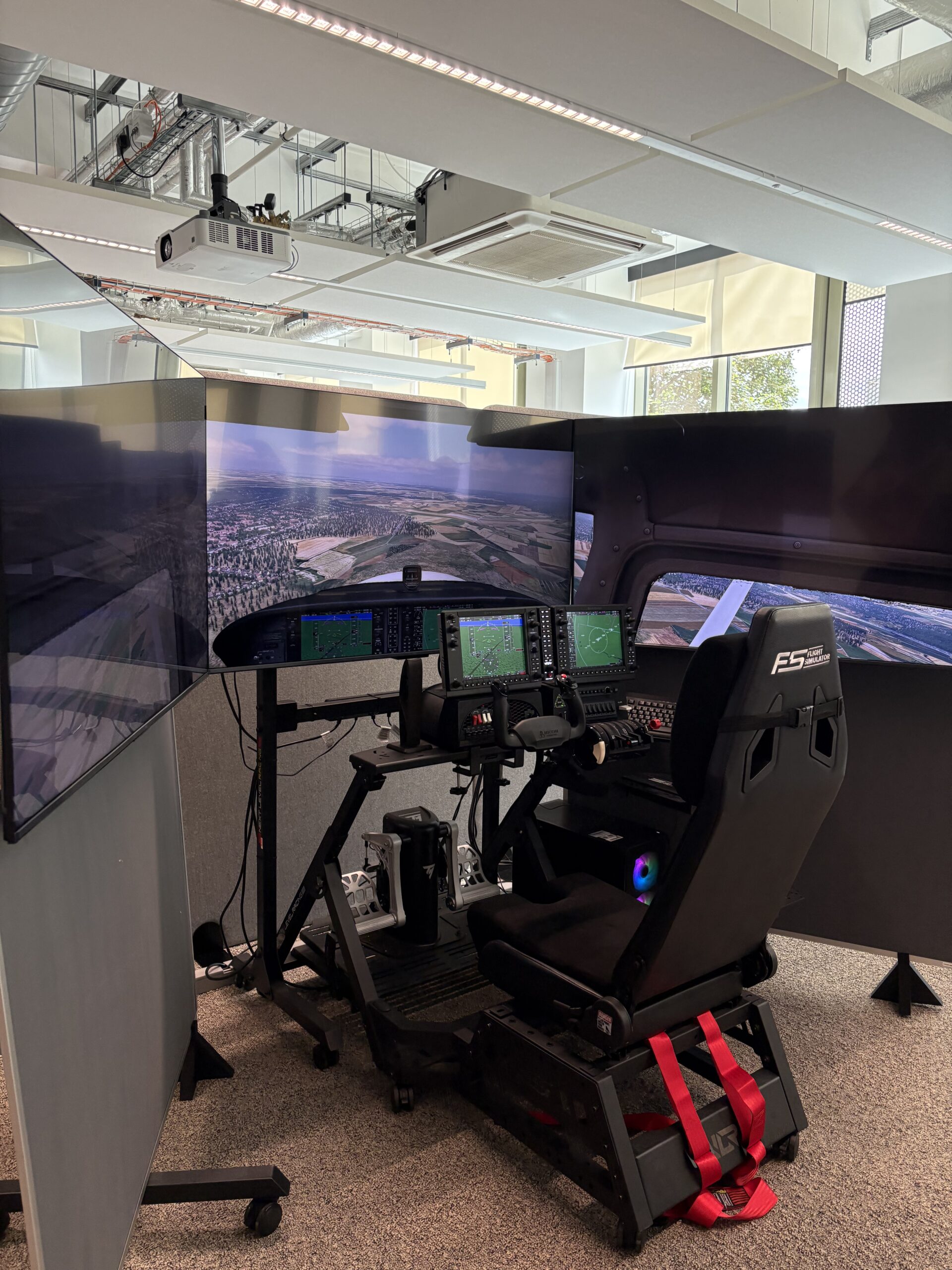
The university’s new Aerospace Engineering program includes a sophisticated flight simulation suite where students can design and test their own aircraft. Robotics laboratories, artificial intelligence labs, collaborative teaching spaces, and multifunctional engineering laboratories create an environment that mirrors today’s workplace.
Perhaps the most unexpected feature was Stubrew, a student-run brewery operated by Chemical Engineering students. It’s a perfect example of Newcastle’s hands-on approach to learning.
Science in Action
Newcastle’s School of Sport and Exercise Science demonstrates that learning extends far beyond traditional classrooms. Students work in state-of-the-art physiology laboratories, biomechanics labs, environmental chambers capable of simulating extreme temperatures and high altitudes, nutrition teaching kitchens, sensory suites, and wet laboratories.
One demonstration that particularly caught my attention was a sport psychology workshop using specialized sensors to measure reaction times and decision-making under different conditions. These experiences prepare graduates for careers in sport science, nutrition, public health, rehabilitation, human performance, and research.
More Than Academics
Life outside the classroom is just as impressive.
Students can choose from more than 150 clubs and societies along with over 60 sports. Newcastle has consistently ranked among the top ten universities in the UK in the British Universities and Colleges Sport (BUCS) rankings for the past seven years and partners with professional rugby, football, and basketball organizations.
One particularly distinctive offering is the Elite Football Development Programme, which combines high-level football training with an understanding of the business side of the sport.
First-year students are guaranteed apartment-style housing, with all accommodations being self-catered, helping students develop independence while building friendships.
And then there was one sight I certainly wasn’t expecting. Every summer, cows are brought onto the university’s expansive green spaces to graze. The pastures are larger than New York City’s Central Park, creating a memorable reminder that even a major research university can maintain a close connection to nature.
A Campus with an Important Story to Tell
Newcastle University also has a rich cultural and historical legacy.
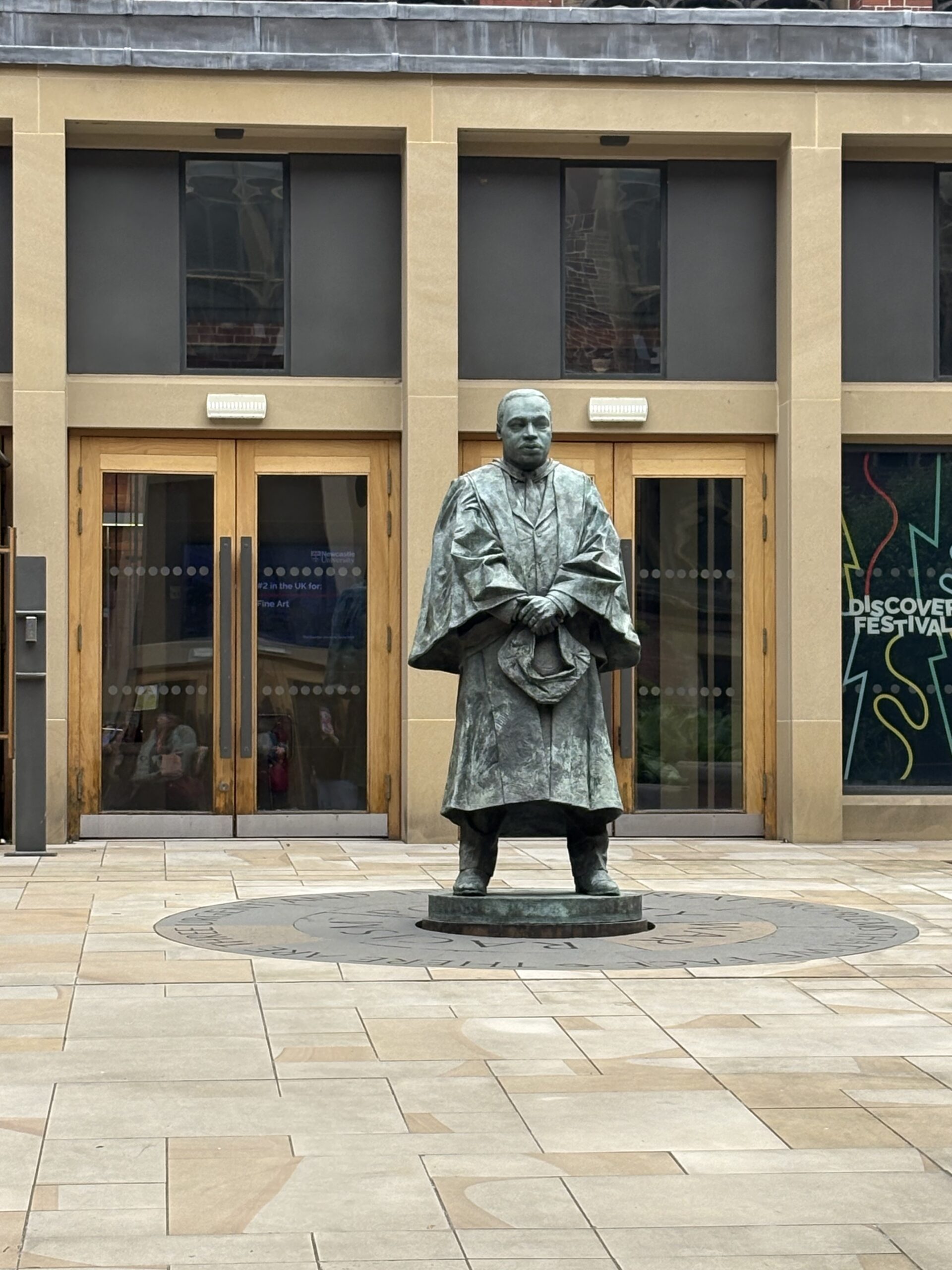
The Frederick Douglass Centre honors the great American abolitionist, who spent time in Newcastle while Quaker supporters helped raise funds to purchase his freedom. The university also holds the distinction of awarding an honorary degree to Dr. Martin Luther King Jr. during his lifetime, reflecting its longstanding commitment to social justice.
Creativity is equally woven into the university’s identity. Newcastle is home to the UK’s longest-running Bachelor of Fine Arts program and played a significant role in the development of the British Pop Art movement.
Final Thoughts
What impressed me most about Newcastle University wasn’t any single laboratory, ranking, or statistic. It was how intentionally the university has created an environment where students can thrive academically, professionally, and personally.
The combination of world-class research, meaningful industry partnerships, abundant hands-on learning opportunities, outstanding student life, and one of Britain’s most vibrant university cities makes Newcastle an institution that deserves far more attention from American families. The estimated annual cost for international students is approximately $44,000 before an automatic £7,000 annual scholarship available to many students, making Newcastle an attractive value compared with many private universities in the United States.
For students who want more than just a degree, and who are looking for a university that encourages them to innovate, explore, and prepare for a rapidly changing world, Newcastle University is well worth a closer look.