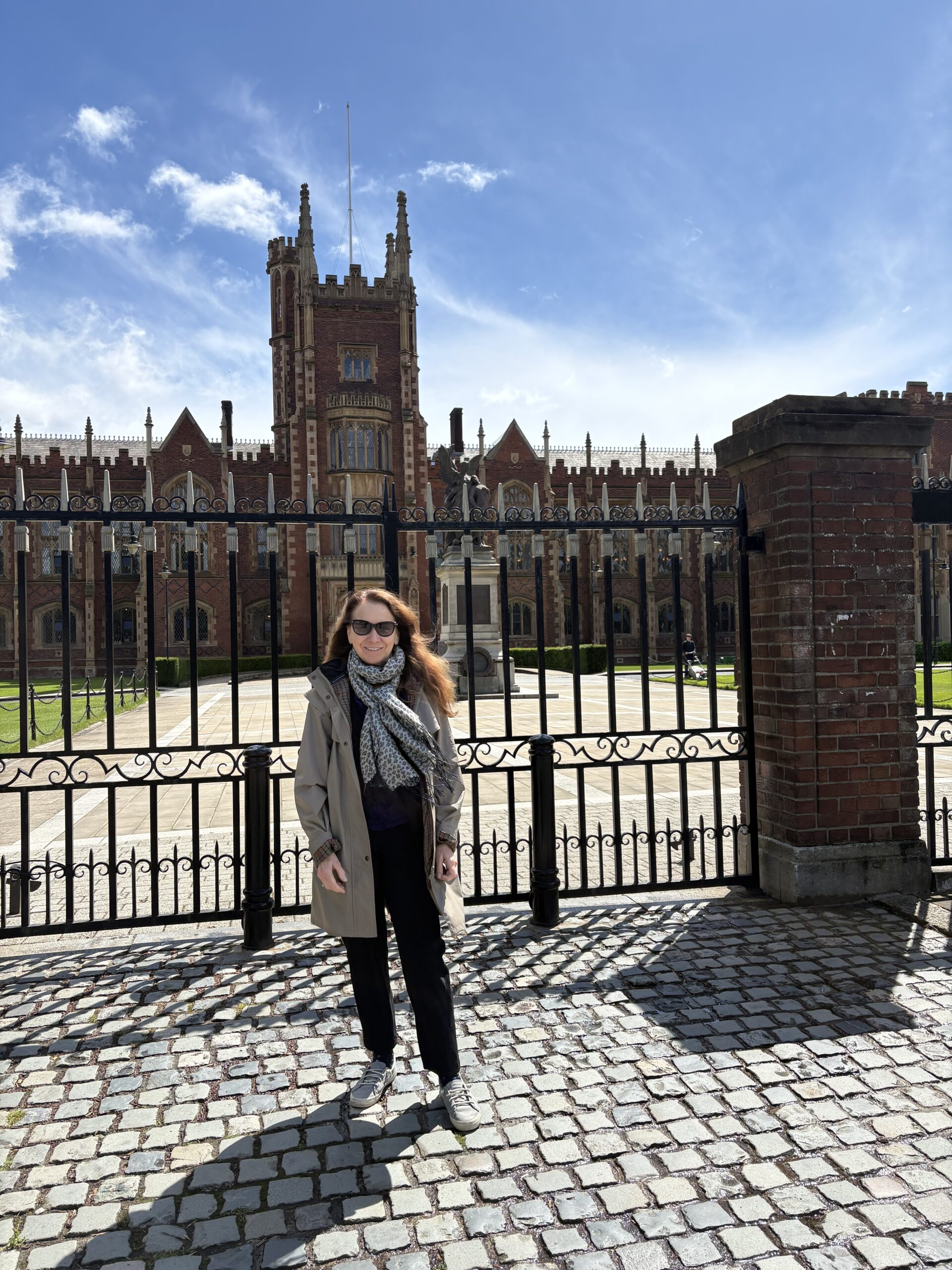




Studying in the UK: A Guide for US Students and Families
I was recently a guest on a podcast discussing why more US students are choosing to study in the UK for undergraduate degrees and study abroad programs. If you’d like to listen to the full conversation, you can find it here:
👉Listen: https://open.spotify.com/episode/522a1WjZbmSRL5itX44NPV
👉 Watch: https://www.youtube.com/watch?v=NSc3ppd5Cjk
Below is a comprehensive guide covering what US students and families should know about UK universities, how they differ from US institutions, and who is most likely to thrive in this system.
Why Study in the UK?
The United Kingdom—made up of England, Wales, Northern Ireland, and Scotland—offers a world-class higher education system within a relatively small geographic area. Despite its size, the UK is home to globally recognized universities and attracts students from around the world.
Students can choose from:
- Large international cities like London
- Coastal university towns
- Small, rural campuses
- Historically rich academic environments
This diversity makes studying in the UK appealing to students seeking both academic rigor and cultural immersion.
Cost of Studying in the UK vs the US
One of the most common reasons US students consider UK universities is cost.
- Private US universities tuition: $50,000–$60,000 per year
- UK universities (international students) tuition: $30,000–$50,000 per year
In addition, most undergraduate degrees in England, Wales, and Northern Ireland are three years, compared to four years in the US. Scotland typically follows a four-year structure but still offers a different academic model.
For many families, the shorter degree timeline results in meaningful savings.
Academic Reputation and Research Excellence
UK universities are internationally respected for:
- High academic standards
- Research output
- Industry connections
Institutions across the UK consistently rank high worldwide, and students benefit from learning alongside peers and faculty from a wide range of countries and academic backgrounds.
Graduation Rates and Student Outcomes
UK universities tend to have high retention and completion rates, largely due to:
- Structured degree programs
- Early specialization
- Clear academic expectations
This contrasts with many US institutions that report lower four- and six-year graduation rates.
Career Outcomes for US Students Graduating from UK Universities
A UK degree is well recognized by US employers.
Graduates often stand out because they:
- Have international experience
- Demonstrate independence and adaptability
- Bring a global perspective to the workplace
Many UK programs are industry-led, offering or requiring internships or work placements. Additionally, graduates may be eligible to remain in the UK for up to 18 months after graduation under post-study work options.
Who Is a Good Fit for a UK University?
Studying in the UK works best for students who are:
- Independent and self-motivated
- Adaptable and open to new cultural experiences
- Interested in travel and international exposure
- Very clear about their intended field of study
Unlike US liberal arts colleges, UK universities require students to apply directly to a specific subject. There are no general education requirements, and students do not explore unrelated disciplines.
UK vs US Universities: Key Differences
Academic Structure
- Most UK universities are public, including Oxford and Cambridge
- Students are treated as adults, with less hand-holding
- Fewer assessments; many courses rely on a single final exam or paper
- Top grades are rare and difficult to achieve
Specialization
UK universities are not liberal arts institutions. Students focus narrowly on one subject, and changing majors is extremely difficult. Scotland offers more flexibility, but still far less than the US system.
Housing and Student Life
- First-year housing is common and typically includes single rooms
- Housing is either catered or self-catered
- Apartment-style living is widespread
Student life revolves around societies, sports, and student unions. There is no Greek life or athletic recruiting, although competitive sports still exist.
How the UK University Application Process Works
The UK application process is transparent and academically focused, not holistic.
Key elements include:
- One centralized application system (UCAS)
- A maximum of five university or course choices
- One academic reference
- One personal statement focused entirely on the chosen subject
Offers are often conditional, meaning students must meet specific exam requirements (such as AP scores) before final acceptance.
Applications are generally due in January, with decisions released in March or April. Oxford and Cambridge have earlier deadlines, and medical-related programs follow separate timelines.
Students must also apply for a student visa and pay for UK National Health Service (NHS) coverage, which typically covers healthcare costs during enrollment.
UK University Terminology: What US Students Should Know
Even though the UK and US both use English, terminology can differ:
- Course = your subject of study
- Module = a class
- Faculty = a department
- Tutor = your instructor
- Accommodations = housing
Understanding these terms helps students transition more smoothly.
Final Thoughts on Studying in the UK
Studying in the UK is not the right choice for every student. However, for academically focused, independent students who value global experience and early specialization, UK universities offer an outstanding education.
🎧 Listen to the full podcast episode here:
👉Listen: https://open.spotify.com/episode/522a1WjZbmSRL5itX44NPV