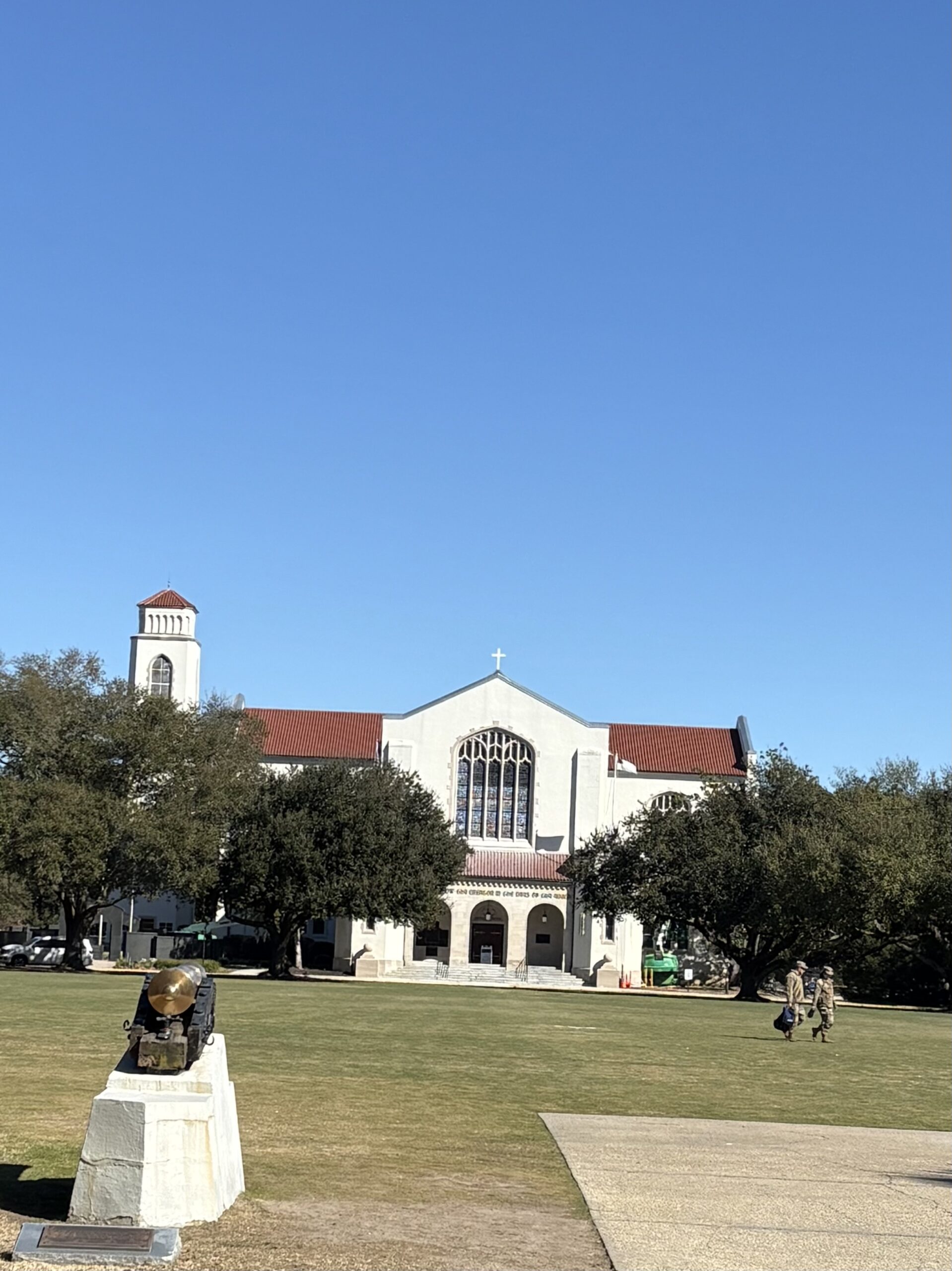
The Citadel, a military college
During my recent visit to The Citadel in Charleston, South Carolina, I gained a strong appreciation for what makes this institution both distinctive and transformative. Founded in 1842, The Citadel is a public senior military college located in a suburban setting and deeply rooted in tradition, structure, and leadership development.
The undergraduate population consists of 2,350 students, with 51% from in-state and approximately 85% men. All students are cadets, and all cadets wear uniforms, reinforcing the school’s disciplined, military-focused lifestyle. While The Citadel is a military college, it is important to note that not all graduates enter the military. About one-third of graduates commission into one of the four service branches, while two-thirds pursue civilian careers. The institution is particularly well suited for students who need structure, accountability, and direction—and it has a reputation for truly helping students turn themselves around.
Academic Excellence and Outcomes
Academics at The Citadel are rigorous and highly respected, especially in STEM fields, engineering, and business, which are among the most competitive majors. The college reports the highest starting salary of any college in South Carolina, with 90% of students employed before graduation, and the highest four-year graduation rate in the state. The medical school and law school acceptance rates are also very high.
The academic experience emphasizes critical thinking, communication skills, leadership, and hands-on learning. Co-curricular experiences are embedded into the curriculum, ensuring students graduate job-ready. In fact, the demand for Citadel graduates currently exceeds the supply.
Class sizes are small, and faculty are deeply committed to undergraduate teaching. Professors focus exclusively on undergraduates, and all faculty members hold a military rank. Many faculty and staff live on campus, contributing to a close-knit and supportive environment. Each cadet company includes a student academic officer and a faculty advisor, providing layered academic and personal guidance.
The Knob Year: A Defining Experience
The Knob Year, the freshman year at The Citadel, is often described as one of the most challenging—and most formative—experiences of a cadet’s life. First-year students, known as knobs, are held to the highest standards of discipline, accountability, and time management. Every aspect of daily life is structured, from academics and physical training to meals and inspections.
Cadets shared that while the Knob Year is demanding, it is intentionally designed to build resilience, confidence, and self-discipline. Many students noted that they did not excel in high school, whether academically, socially, or behaviorally, but The Citadel gave them a fresh start. With clear expectations, constant support, and firm accountability, students said they learned how to manage their time, push through discomfort, and take pride in their accomplishments.
Across conversations, cadets consistently emphasized that the Knob Year helped them discover strengths they didn’t know they had. They spoke openly about how The Citadel provided incredible opportunities, helped them build confidence, and taught them how to succeed in an environment that demands excellence. By the end of the Knob Year, students emerge more self-assured, focused, and prepared to lead.
Structure, Discipline, and Student Life
Student life at The Citadel is intentionally structured and demanding. If a cadet misses class, they receive confinement, which includes mandatory supervised study. Cadets are required to study four nights per week, although students with a GPA above 3.7 may attend the gym instead of study hall.
The first week on campus, known as Challenge Week, sets the tone for cadet life. During this week, students surrender their phones, focus on physical conditioning, and begin adapting to the expectations of the military system. Traditions are a central part of the Citadel experience and include weekly parades every Friday, as well as the Knob Walk—a football tradition in which freshmen cadets stand for the entire game.
Athletics play an important role on campus, with Division I sports and student centers located in the core of the athletic facilities. There is no Greek life, as leadership, teamwork, and camaraderie are developed through the cadet system rather than social organizations.
Intelligence, Pre-Law, and Specialized Programs
The Intelligence Program, housed in the School of Humanities and Social Sciences, is the one of the largest majors on campus. The program emphasizes current events, world geography, and national security and seeks students who actively follow the news. Graduates pursue careers with organizations such as the CIA, NSA, and FBI, as well as the military, corporate security, or the investigative side of law enforcement.
Faculty include both academics and experienced professionals from the field. Competing programs include those at Texas A&M’s Bush School, Georgetown, UT Austin, and Coastal Carolina. Students train in a SCIF (Sensitive Compartmented Information Facility) -simulated classroom designed for handling classified information, giving them hands-on exposure to professional intelligence environments.
The Pre-Law Program includes a mock trial room and the Inn of Court pre-law club, which hosts local attorneys and law school admissions deans and holds an annual spring banquet. The program helps students assess whether law school is the right path.
The Citadel also offers a nursing degree, with the opportunity to become a military nurse, along with Honors and Distinguished Scholars Programs for high-achieving students.
Arts, Enrichment, and Campus Resources
Despite its military structure, The Citadel strongly supports creativity and the arts. About one-quarter of cadets participate in fine arts, and many pursue fine arts minors. The campus features a brand-new fine arts building and auditorium, and most exhibits are free and open to the public. Scholarships are available for band members.
Cadets are encouraged to study abroad for a semester or summer, expanding their global perspective. Additional resources include the Swain Boating Center, which offers recreational and experiential opportunities.
Admissions and Core Values
Admissions at The Citadel is test-optional, and a personal statement is not required. The admissions process is rolling, and the philosophy is that students with a reasonable chance of success are admitted. Due to the physical demands of cadet life, students must also complete a medical clearance process.
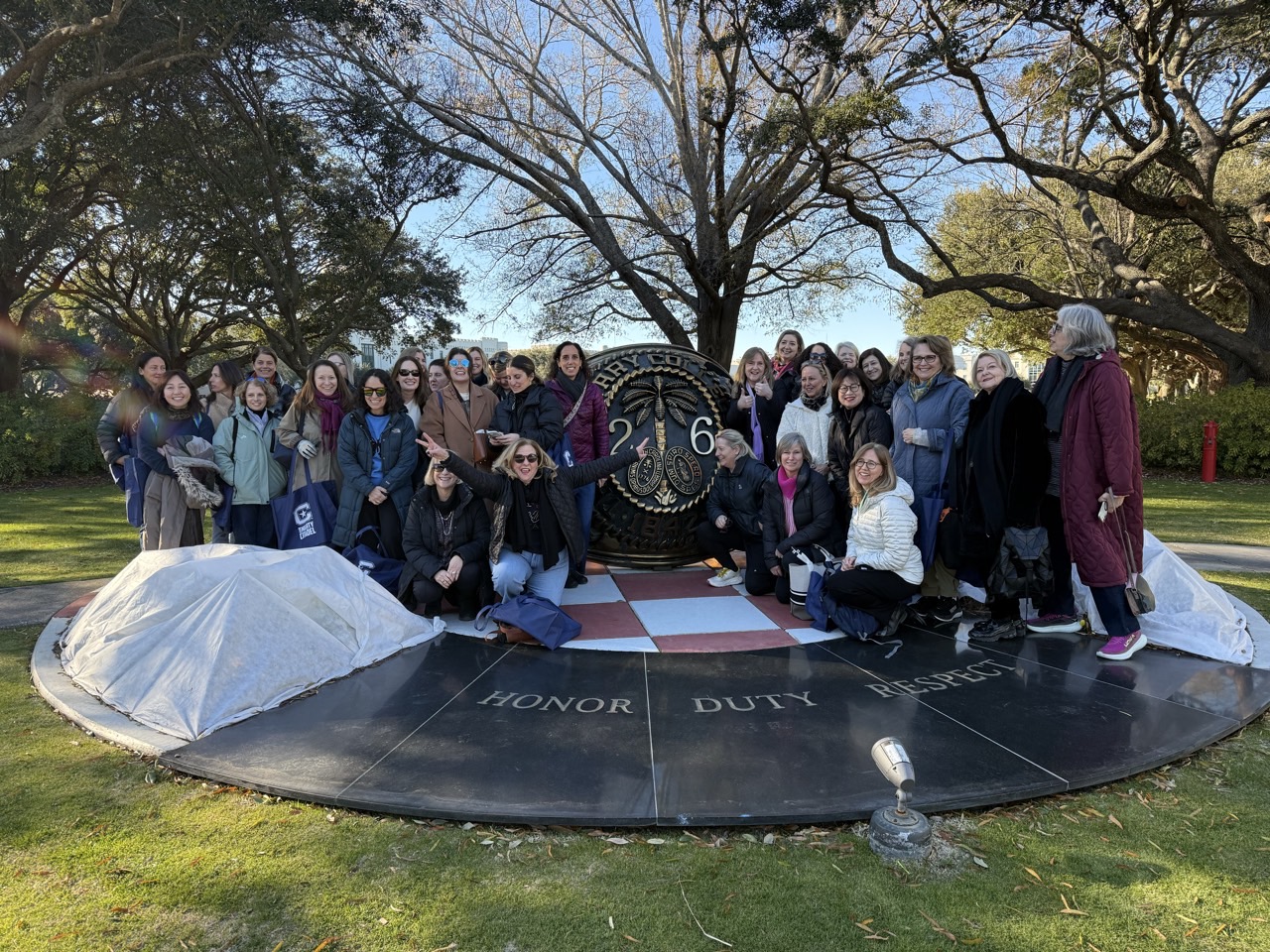
At its core, The Citadel is guided by the values of honor, duty, and respect. Graduates leave not only with strong academic credentials, but also with confidence, discipline, leadership skills, and the ability to interact effectively with others—qualities that prepare them for success in both military and civilian careers.