Benedict College: History, Access, and Impact in Columbia, South Carolina
I arrived at Benedict College with a general understanding of its history and reputation, but what stood out immediately during my visit was how clearly its mission is lived, not just stated. From conversations with students, faculty and administrators, Benedict felt like an institution deeply aware of who it serves and why. In a higher‑education landscape often defined by scale and selectivity, Benedict’s power lies in its intentionality: a focused commitment to access, student support, and the preparation of graduates for lives of leadership and service.
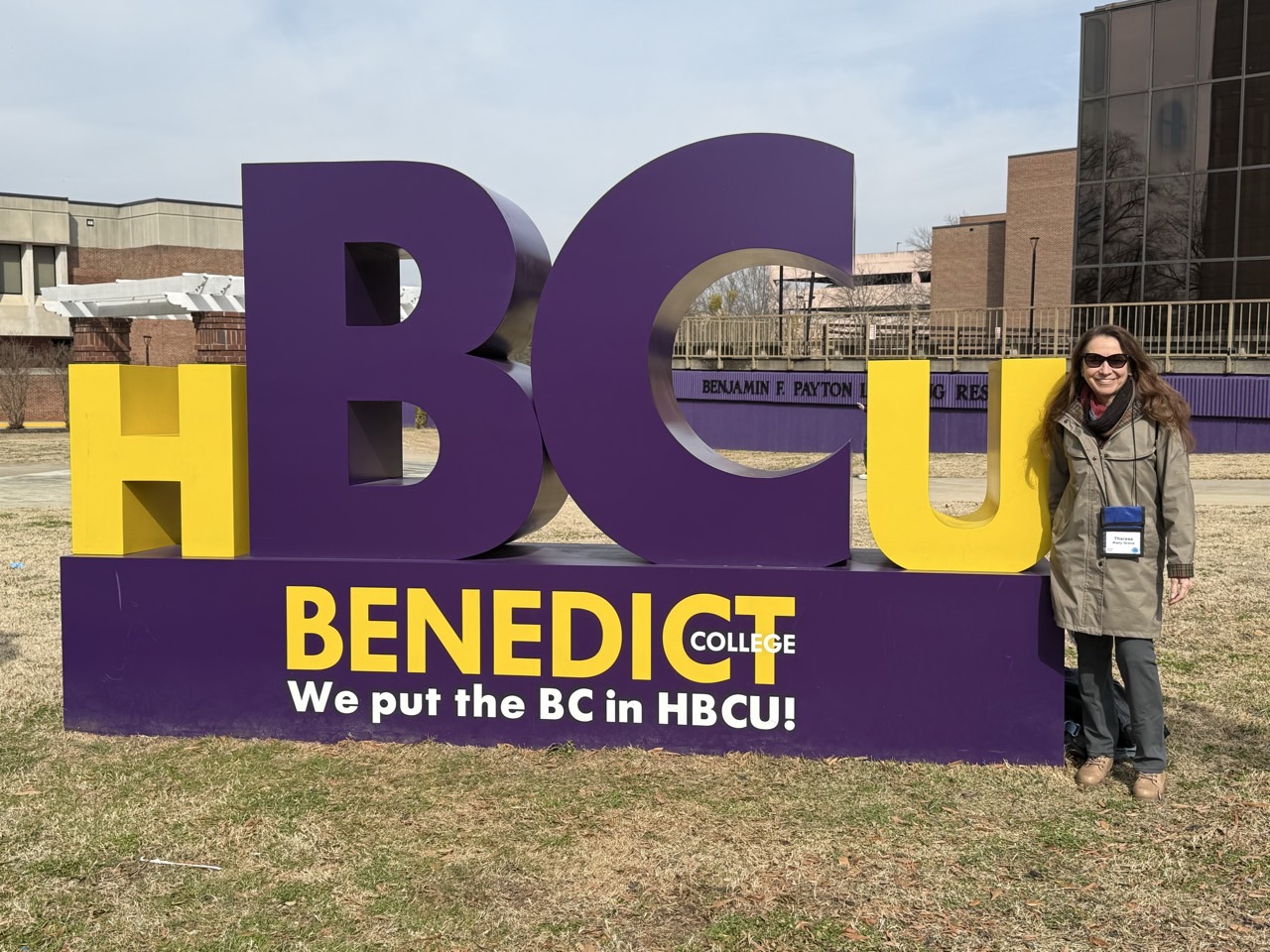
My visit to Benedict College offered a powerful reminder of what historically Black colleges and universities do best: combine deep historical roots with a forward‑looking commitment to access, student success, and leadership. Founded in 1870, Benedict College is a private, co‑educational HBCU located in urban Columbia, South Carolina, and it continues to play an outsized role in advancing social mobility for the students it serves.
A Campus Built on Mission
Benedict enrolls approximately 1,800 undergraduate students, most of whom come from the Southeast and Mid‑Atlantic regions. The campus feels intentionally intimate — large enough to offer diverse programs and activities, yet small enough that students are clearly known and supported.
At the heart of the institution is a mission grounded in leadership and service. That mission shows up in academic requirements, campus culture, and a strong emphasis on helping students not just enroll, but persist, graduate, and transition successfully into careers or graduate study.
Access, Affordability, and Social Mobility
Benedict College has gained national attention for its role in promoting social mobility, and that reputation is well earned. The college has made bold, student‑centered decisions around cost and access:
- Tuition is approximately $26,000 and includes housing, meals, and books, an all‑in price that provides clarity and predictability for families. The college is recognized as on oef the 30 most affordable private colleges in the US.
- Eighty‑seven percent of students are Pell Grant eligible, underscoring Benedict’s commitment to serving students with high financial need.
- The institution has lowered tuition and expanded scholarship offerings in recent years.
- Test‑optional admissions policies further widen access for students whose academic potential extends beyond standardized test scores.
These choices align with Benedict’s strong focus on degree completion, reinforced by intentional advising, mentoring, and partnerships designed to support employment after graduation.
Academics with Purpose
Benedict offers programs that reflect both student interest and workforce relevance. Popular majors include:
- Biology
- Business Administration
- Sports Management
- Psychology
- Criminal Justice Administration
The college’s academic approach emphasizes practical application alongside foundational learning, helping students connect coursework to career pathways with bachelor degrees in arts, science and social work.
Benedict College is one of only two HBCUs in the US with an ABET-accreditated Environmental Engineering program.
A Hidden Gem: Studio Art
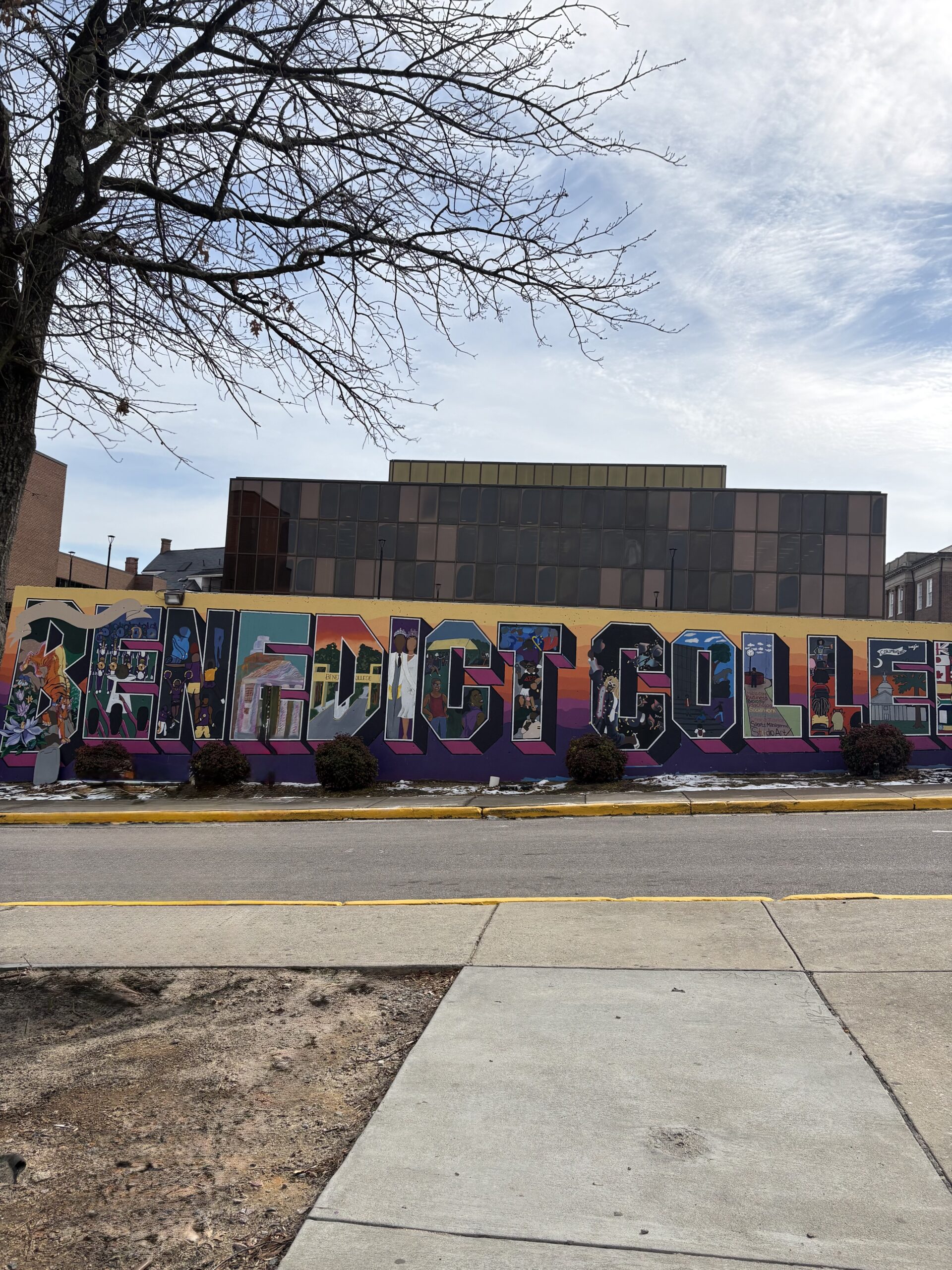
One of the most compelling parts of the visit was learning about Benedict’s Studio Art program. With only 30–40 students, the program offers a deeply personalized experience across drawing, painting, sculpture, and ceramics.
Students can combine studio art with education or graphic arts, and some alumni go on to pursue master’s degrees in art therapy. A conversation with Professor and artist Wendell Brown highlighted the program’s mentorship‑driven culture, where faculty work closely with students to refine both technique and professional direction.
Tradition, Faith, and Student Life
Benedict proudly embraces classic HBCU traditions, including an active presence of the Divine Nine fraternities and sororities, which play a central role in leadership development and campus engagement.
Students are required to complete two religion courses, reflecting the college’s historical foundations and affiliation with the Baptist Church and its emphasis on values, ethics, and service. Athletically, Benedict competes at the NCAA Division II level, offering students opportunities to engage in sports while maintaining academic focus.
Alumni Who Extend the Legacy
Benedict College’s impact is perhaps most visible through its alumni, whose contributions span civil rights, public service, athletics, and the arts.
Notable alumni include:
- Septima Poinsette Clark, educator and civil rights leader whose citizenship schools were instrumental to the voting rights movement.
- Modjeska Monteith Simpkins, a public health advocate and social reformer who shaped policy and activism in South Carolina.
- Darrell Jackson, longtime member of the South Carolina Senate.
- S. Leevy Johnson, the first African American president of the South Carolina Bar Association.
- LeRoy T. Walker, legendary track coach and former president of the U.S. Olympic Committee.
- Sanford Greene, award‑winning comic book artist and co‑creator of Bitter Root.
Together, these alumni reflect Benedict’s enduring emphasis on leadership, service, and community impact.
Benedict College is not trying to be everything to everyone—and that is precisely its strength. Through intentional affordability, personalized academic programs, strong student support, and a mission rooted in service, Benedict continues to transform opportunity into outcomes.
My visit made clear that Benedict’s story is not only about its past, but about the students it continues to uplift and the leaders it is still shaping for the future.