

Durham University: Where Tradition, Community, and Student Life Come Together
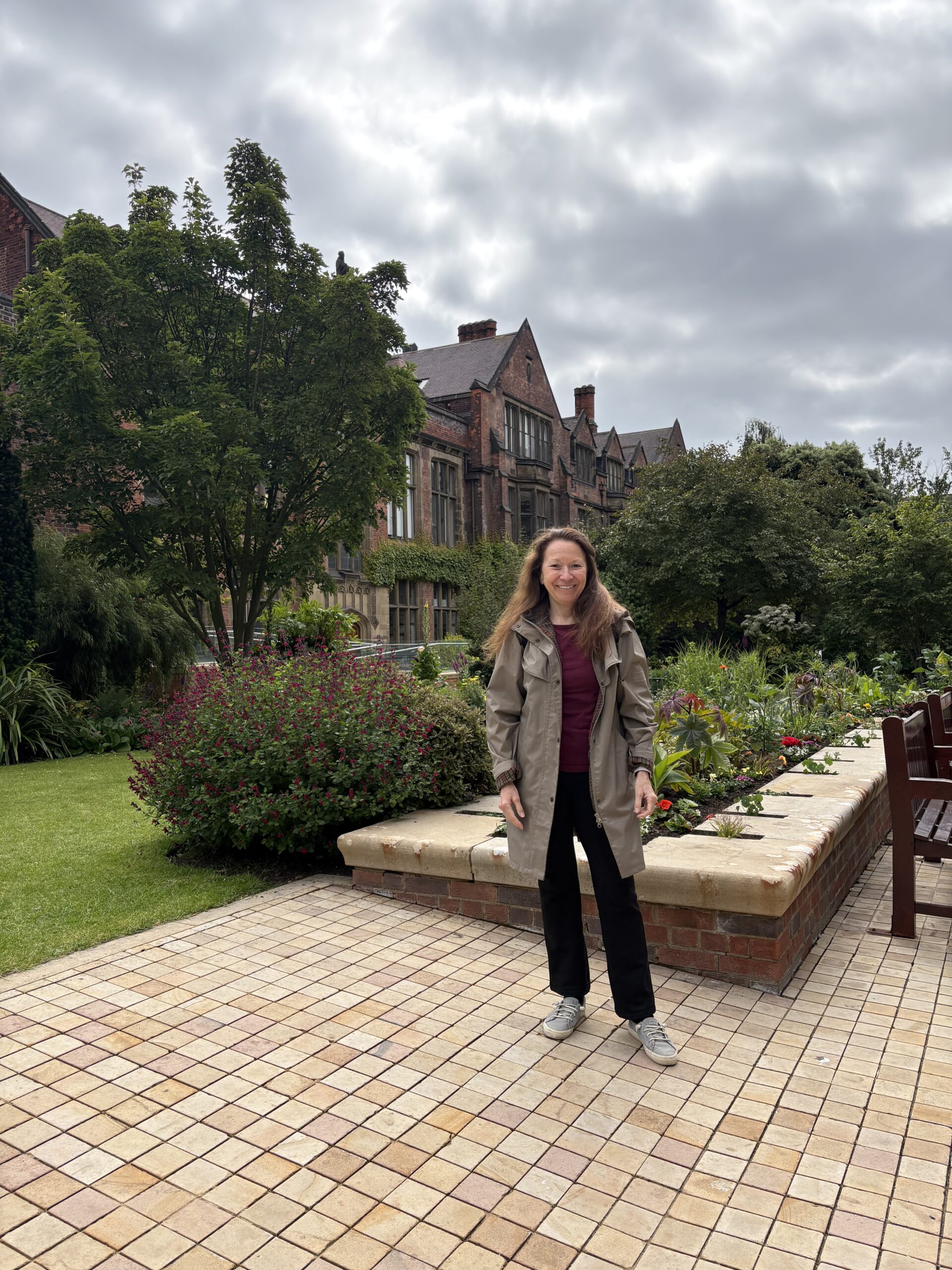
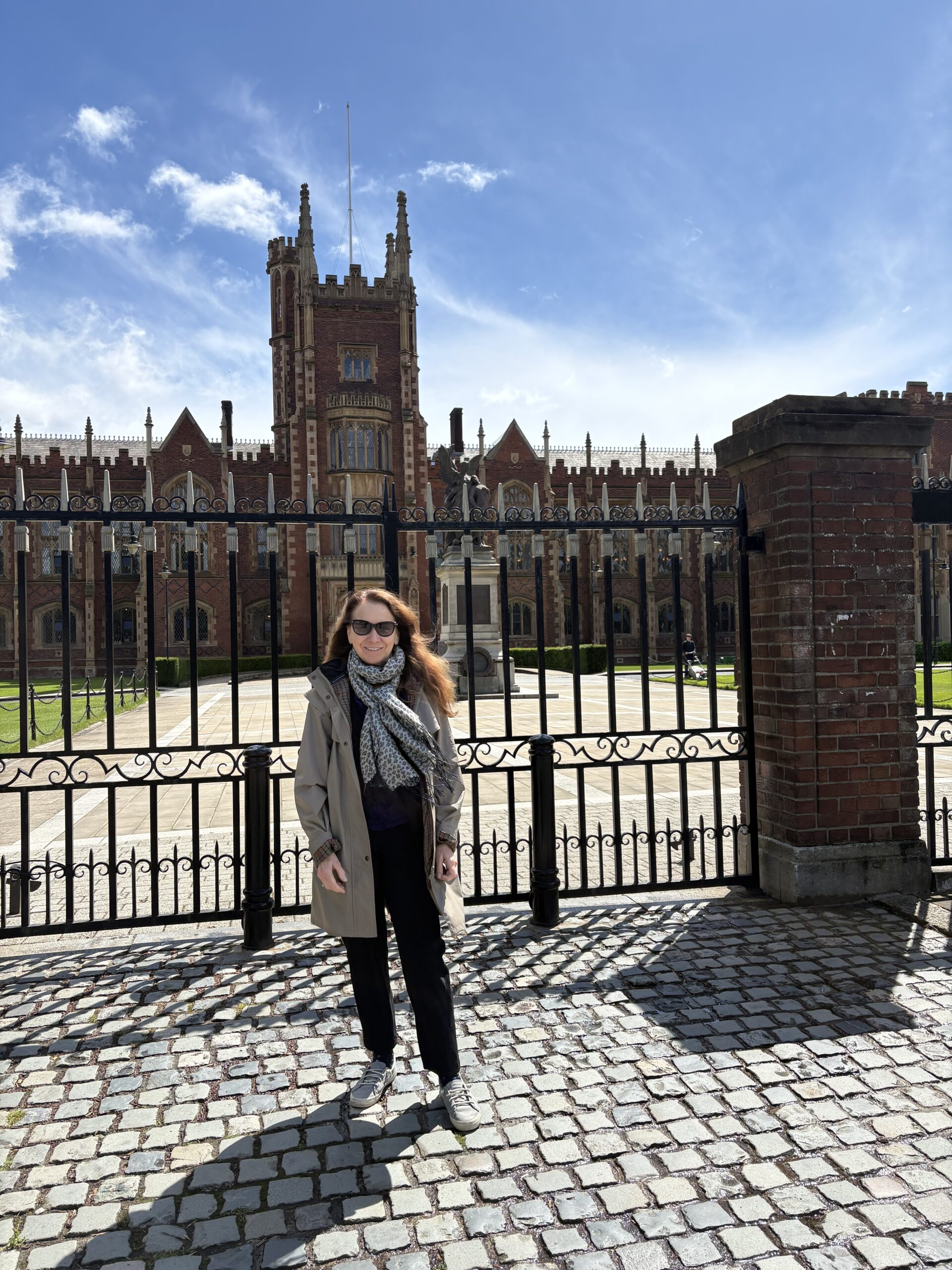
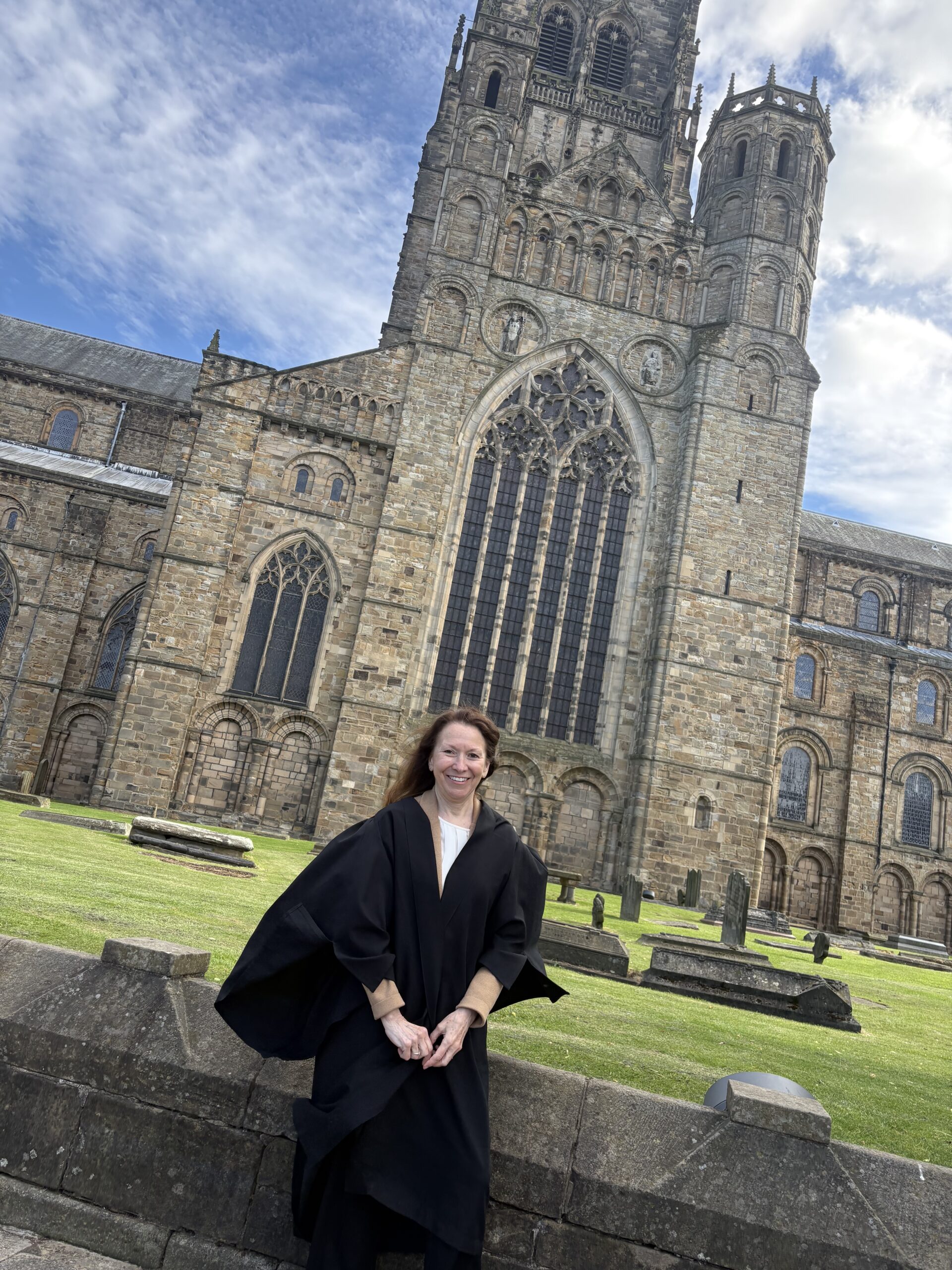
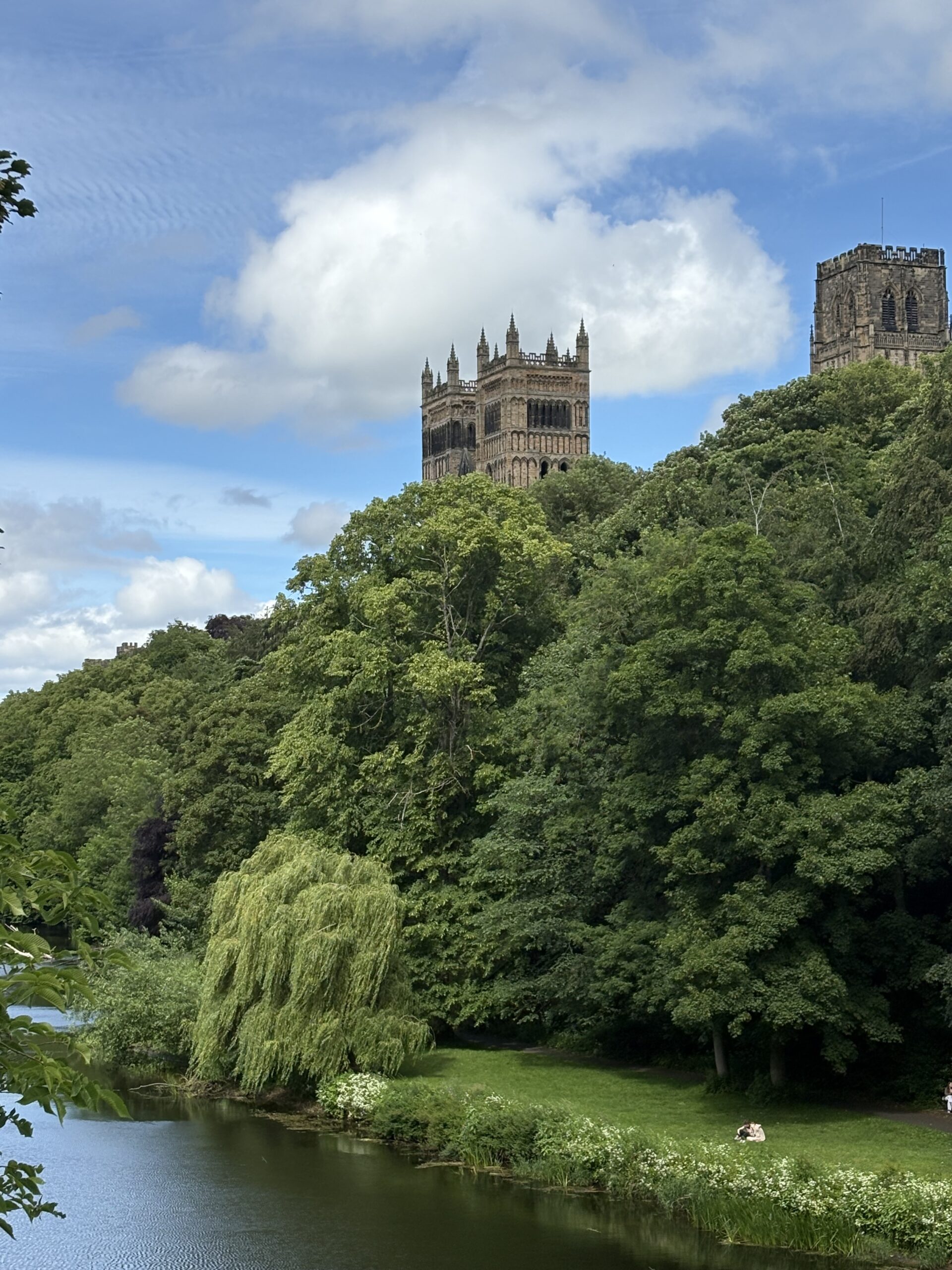
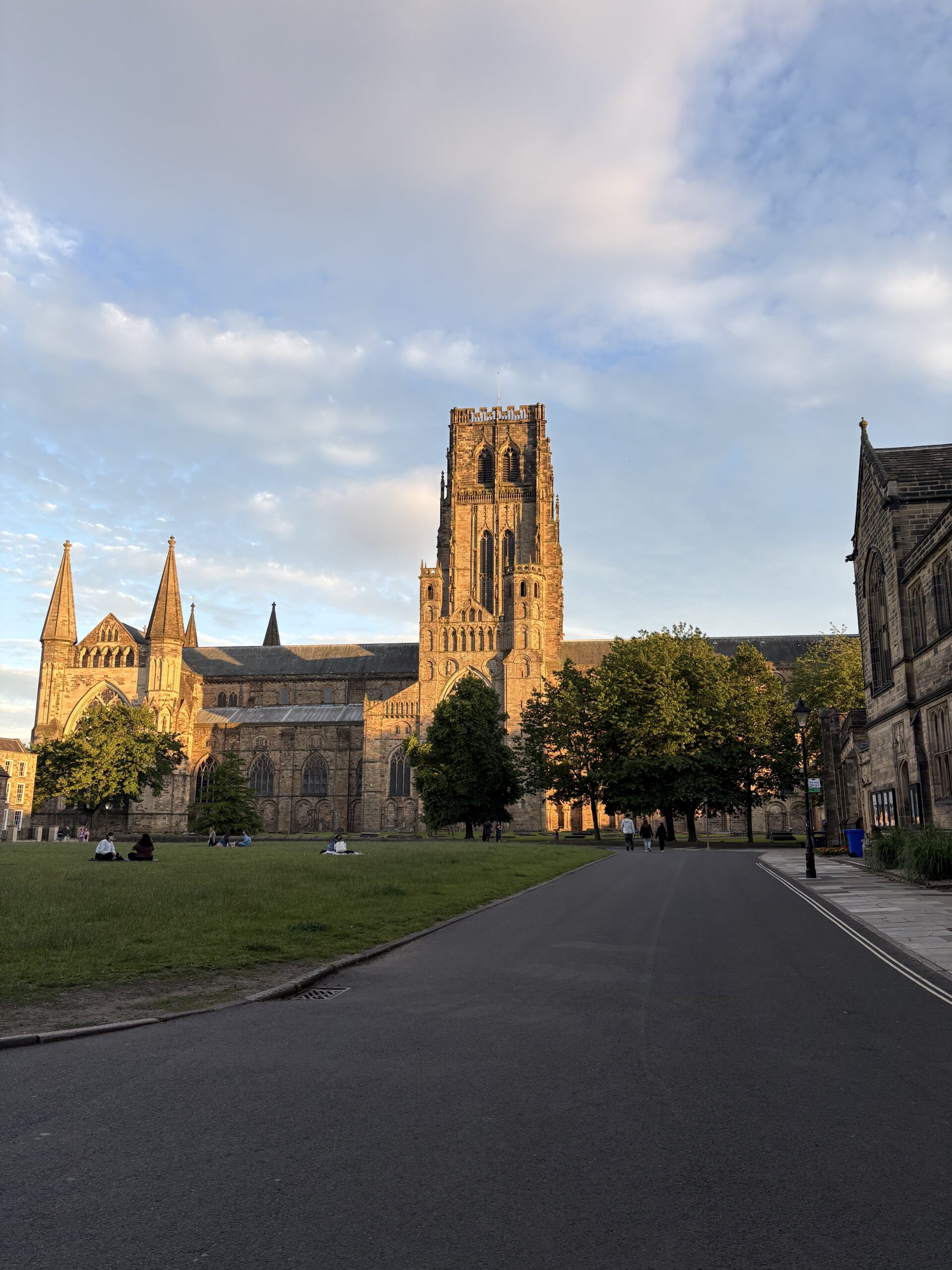
Founded in 1832, Durham is the third oldest university in England and one of the most distinctive universities in the UK. Set in the beautiful city of Durham in Northeast England, the university’s iconic cathedral and castle form a UNESCO World Heritage Site, creating a campus unlike any other. Walking through Durham feels like stepping into history, but beneath its medieval architecture is a modern university with 22,000 students, including approximately 30% international students from around the world.
Durham is located about three hours from London and just 90 minutes from Edinburgh, making it an appealing option for students who want access to major cities while studying in a smaller, close-knit university environment.
A University Built Around Community
One of Durham’s defining features is its collegiate system. Unlike many universities where students simply belong to their academic department, every Durham undergraduate student is also a member of one of 17 residential colleges. This creates a dual identity: students are part of both their academic department and their college community.
The colleges are not organized by subject, which means students from different disciplines live and socialize together. Each college has its own traditions, personality, facilities, clubs, societies, and events. Students rank their preferred colleges after receiving an offer, considering factors such as location, size, facilities, whether the college is catered or self-catered, and whether it has a chapel. One of the colleges is in the castle and I was lucky enough to be treated to a formal dinner there.
All first-year students live in their college, creating an immediate sense of belonging. Many students then move into private housing after their first year while remaining active members of their college community.
During my visit, I toured St Chad’s College, one of Durham’s historic colleges. I saw its beautiful dining hall and chapel, where students continue traditions that have existed for generations. The college’s chapel choir includes both St Chad’s students and students from other colleges, reflecting how the college system brings together students from across the university.
For students living in catered colleges, formal dinners are held weekly. These occasions are an important part of Durham culture, providing opportunities for students to dress formally, share meals, and participate in traditions that connect current students with generations of alumni.
Academics with Flexibility and Global Opportunities
While Durham is known for academic excellence and specialization, students can still find flexibility through combined honors degrees and interdisciplinary options. The university also offers several integrated master’s programs, particularly in engineering.
A highlight for many students is the opportunity to study abroad. Students in every undergraduate degree program can participate in a full-year exchange during their third year and return to Durham for their final year. There are also many shorter global opportunities available.
This international focus is reflected in the student body, with nearly one-third of students coming from outside the UK.
A Standout Criminology Experience
During my visit, I attended a class with Josie Phillips from Durham’s Sociology Department. One of the most fascinating aspects of Durham’s program is the Inside-Out Prison Exchange Program, which brings university students together with incarcerated students for collaborative learning.
The program reflects Durham’s broader commitment to research, social impact, and using education to engage with important societal issues.
Durham’s Archaeology Department is also one of the largest and most highly regarded archaeology departments in England, making the university particularly appealing for students interested in history, heritage, and the study of human societies.
The Durham Experience Outside the Classroom
The college system provides students with countless opportunities to explore interests beyond academics. Durham has more than 200 clubs and societies, including 27 theater companies and 84 music societies.
The performing arts community is especially impressive. A dedicated team of staff supports student-led music and theater activities, resulting in approximately 280 performances each year. Students can participate in two symphony orchestras, four chamber orchestras, numerous ensembles, and groups such as the well-known a cappella group Northern Lights.
Each college has its own theater company, and although university staff provide support, the productions are student led. This combination of resources and independence allows students at all levels of experience to participate.
A Strong Sporting Tradition
Sport is another important part of Durham’s identity. The university has won more than 70 British Universities and Colleges Sport (BUCS) National Championships and offers opportunities in 56 different sports.
One of the things that makes Durham’s sports culture distinctive is the balance between competitive university athletics and inclusive college sports.
University teams focus on performance, with athletes typically training two to five times per week and competing against other universities on Wednesdays. Many teams compete at a high level, including in premier leagues. College sports are designed to be more social and accessible. Students train one to two times per week, compete on weekends, and do not need to travel because competitions take place within Durham. This means students can participate whether they are elite athletes or simply looking to continue a sport they enjoy.
Durham’s sporting facilities include outdoor pitches, courts, a track, indoor rowing facilities, an erg gallery, three weight rooms, and gym facilities available through the colleges. Rowing is one of Durham’s oldest traditions, with each college having its own boathouse and rowing team. The university’s newest sport is esports.
Students interested in sports academically can also study programs such as Sport, Exercise and Physical Activity or Sport and Exercise Science.
A Place Steeped in History
No visit to Durham is complete without exploring its magnificent cathedral. The cathedral has been a place of worship and pilgrimage for centuries. Inside is the shrine of St Cuthbert, one of the most important religious sites in northern England.
Durham’s historic beauty has also made it a popular filming location, with several movies and television productions using the university and cathedral as a backdrop, including some of the Harry Potter films.
Supporting Students Through Scholarships
Durham recognizes the importance of making its education accessible to talented students from around the world. Once students receive an offer, they can submit a simple scholarship application. Approximately half of students receive scholarships ranging from £5,000 to £10,000 per year.
Athletes may also qualify for Team Durham scholarships, with eligible undergraduate athletes receiving up to a £5,000 tuition reduction.
Final Thoughts
Durham University offers something increasingly rare: a truly personal university experience within a globally respected institution. Its collegiate system creates a built-in community, its historic surroundings provide a sense of connection to the past, and its academic and extracurricular opportunities prepare students for the future.
For American students who are looking for a UK university where they can be known, participate, and become part of a tradition, Durham deserves serious consideration. It is a place where students do not simply attend a university. They become part of a community.