A Visit to Furman University: Beauty, Belonging, and Purposeful Pathways
Some college campuses impress you. Furman University makes you slow down.
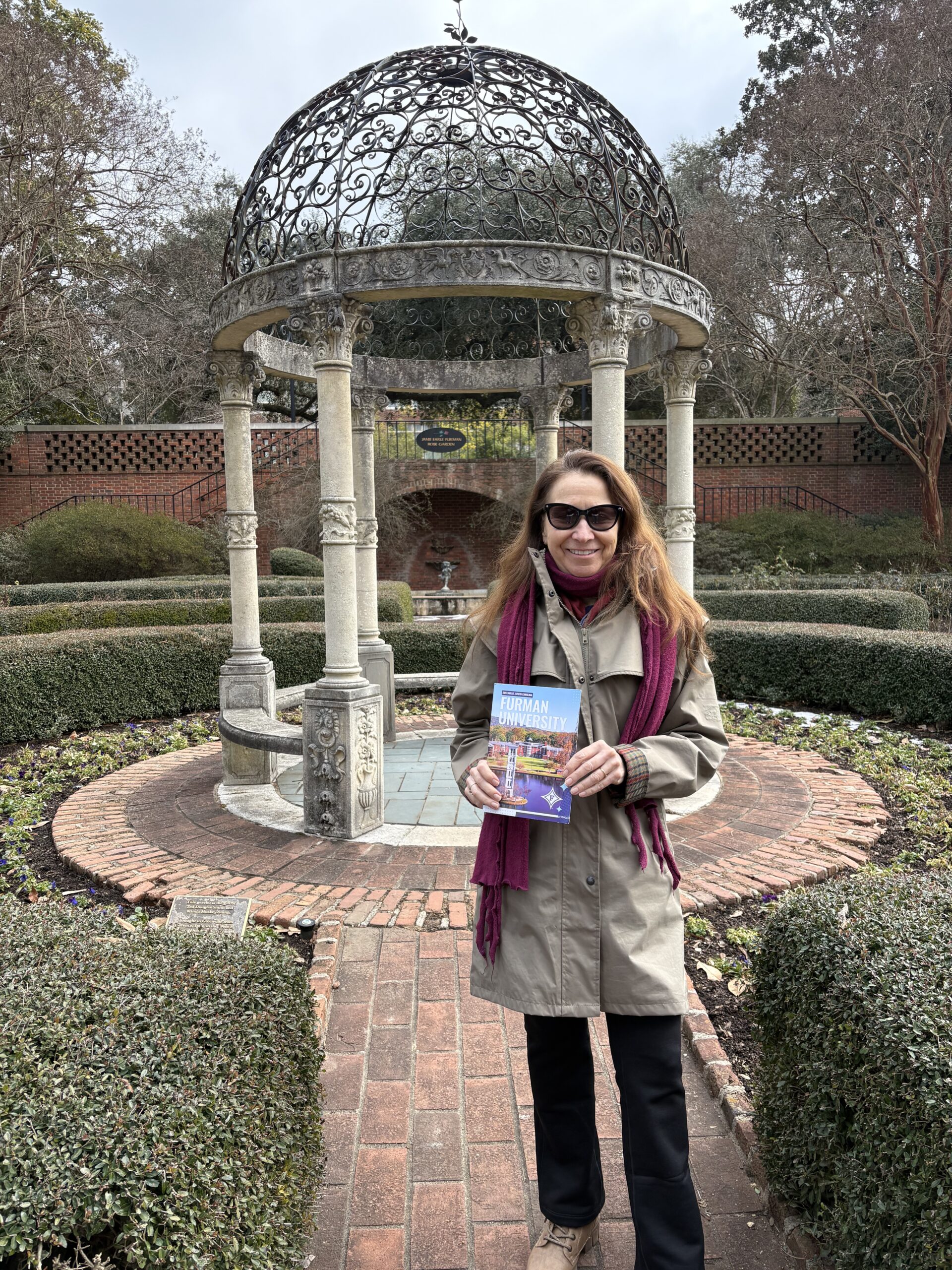
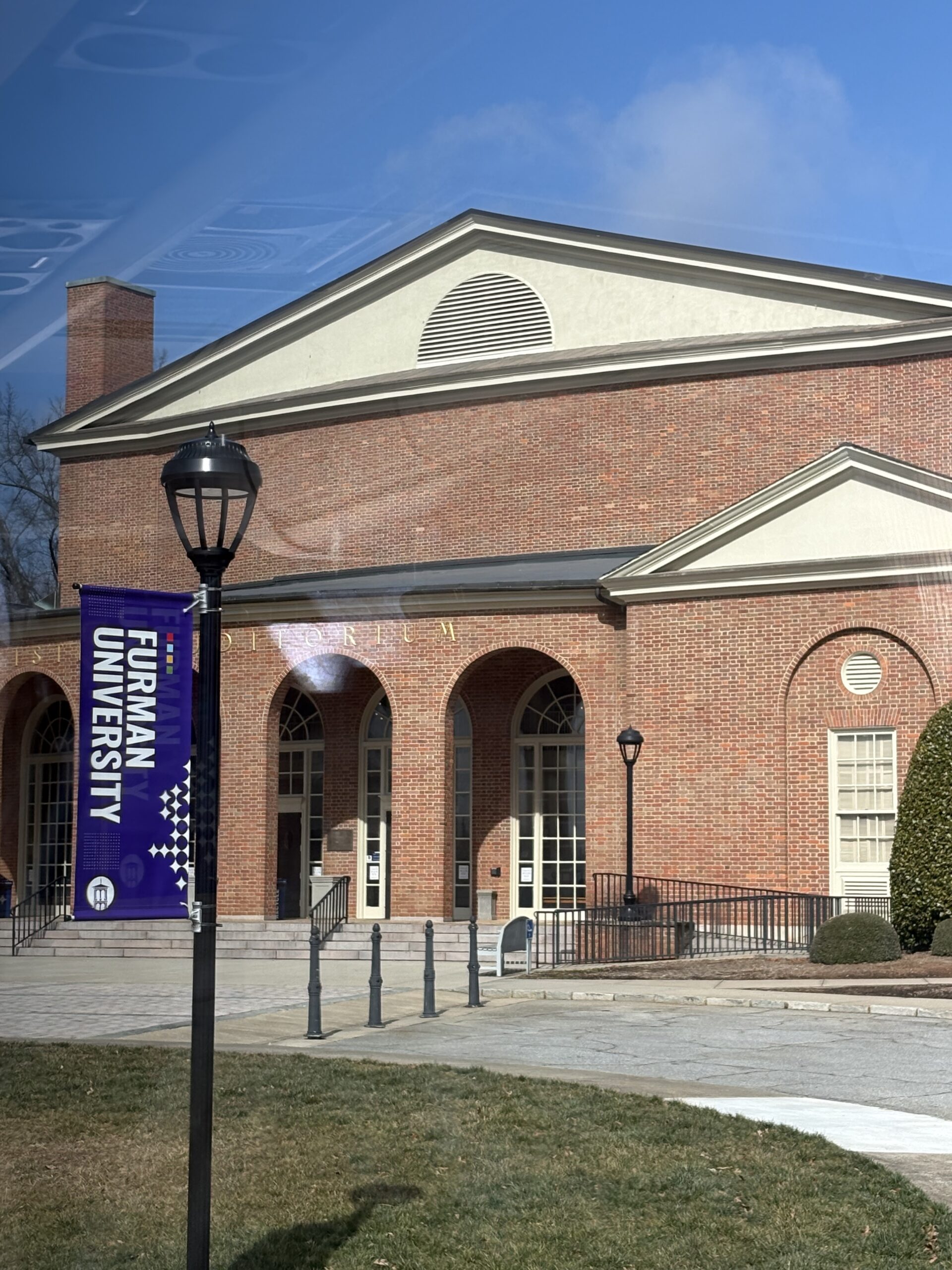
Just minutes from downtown Greenville, South Carolina, Furman’s campus feels more like a thoughtfully designed community than a traditional university. With just 2,500 undergraduate students, this private liberal arts institution strikes a rare balance: intimate without being insular, rigorous without being overwhelming.
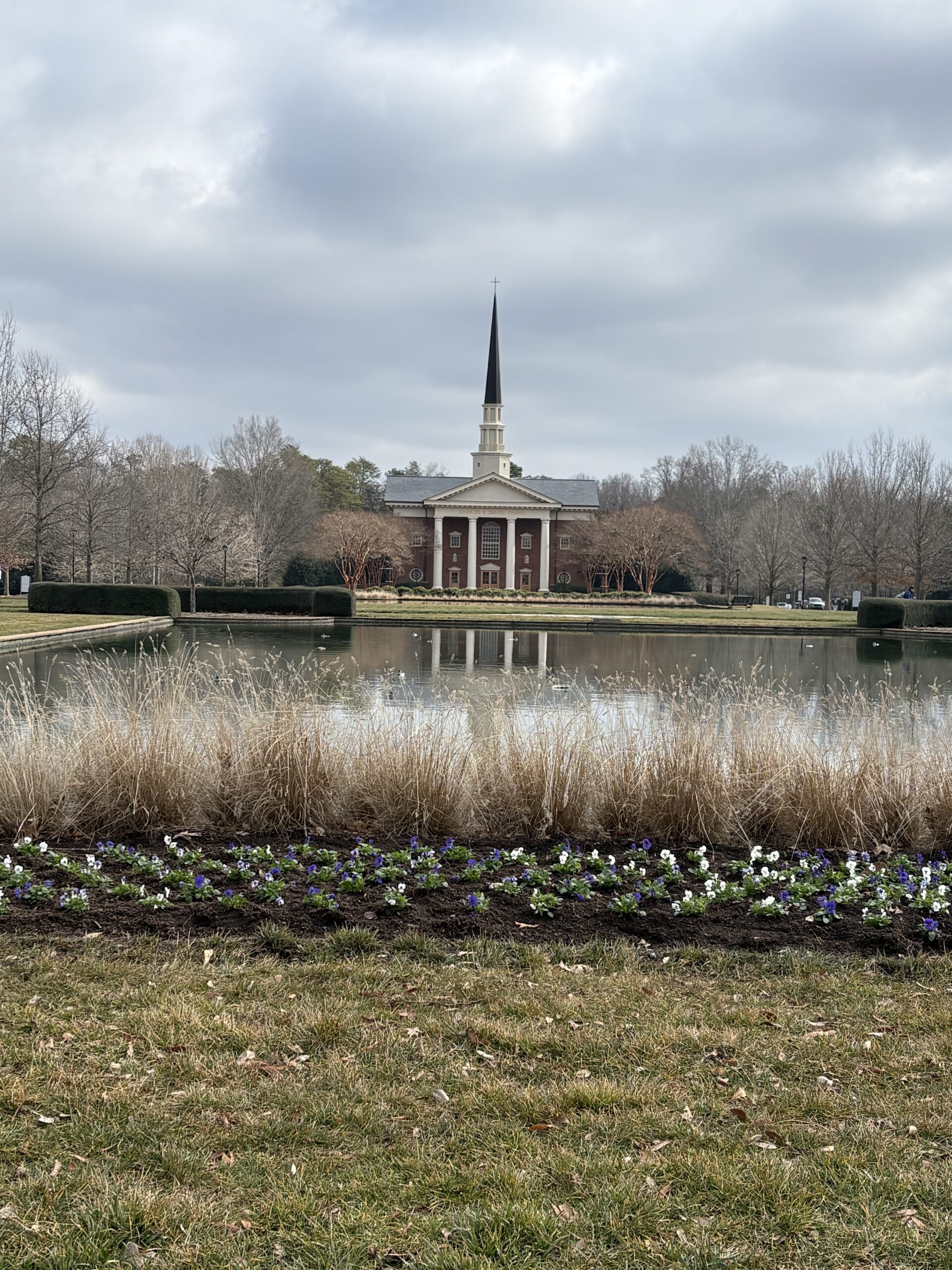
It’s no accident that Furman is considered one of the most photographed campuses in the Southeast. The centerpiece lake—complete with swans, walking paths, and reflection-worthy views—anchors a campus that invites students to linger, connect, and feel at home. Beauty here isn’t just aesthetic; it’s part of the experience.
A Place With Deep Roots and Forward Momentum
Founded in 1826, Furman is one of the oldest private institutions in the Southeast. While it began with Baptist roots, today Furman is non-sectarian, with a mission centered on intellectual curiosity, ethical leadership, and whole person development. The university moved to its current Greenville location in 1955, intentionally designing a campus that blends nature, residential life, and academics.
That sense of intentionality still defines Furman today.
Academics That Feel Personal – Because They Are
At Furman, professors don’t just teach students; they know them. With 75% of classes enrolling fewer than 20 students, learning is discussion-driven and deeply engaging. Advising is a clear strength, and students consistently describe feeling supported, not managed, throughout their four years.
Furman is also truly test-optional, reflecting a broader commitment to access and holistic evaluation. Several merit-based scholarships are awarded automatically to applicants (with priority given to those who apply by November 1), along with select talent-based awards.
The Furman Advantage: A Four-Year Path With Purpose
One of Furman’s defining features is the Furman Advantage, a support team of mentors and advisors who ensure that each students finds a path.
But it’s more than checking a box. It is a four-year developmental pathway:
- First year: Explore and discover – weekly meet ups with a Pathways class, advisor and peer mentor
- Second year: Examine and decide – explore careers, build a resume and plan for impactful experiences such as study abroad, research and internships
- Third year: Connect and refine – take the plunge and get deeply involved
- Fourth year: Synthesize and initiate – land a dream job or take a graduate school path
By the time students graduate, they’re not just credentialed. They are confident, prepared, and ready to pursue meaningful lives and careers.
Supporting this is the Furman Fellowship, which provides stipends for unpaid internships, ensuring opportunity isn’t limited by financial barriers. As a result, an impressive 86% of students participate in research, internships, or study abroad experiences.
Community, Residential Life, and the Rhythm of Campus
Furman is a four-year residential campus, but housing evolves with students. First-year and sophomore students live in traditional residence halls, while upper-class students move into university-owned apartments, maintaining community while supporting independence. Furman offers eight dining options from the main dining hall to the library cafe.
About 35–40% of students participate in Greek life, and with 185 clubs and organizations, involvement is broad and varied. Add Division 1 athletics to the mix, and campus energy is lively without being overwhelming.
One beloved tradition captures Furman’s spirit perfectly: on the last day of classes, seniors jump into the campus fountain – a joyful, communal moment that marks both an ending and a beginning.
A Culture of Care
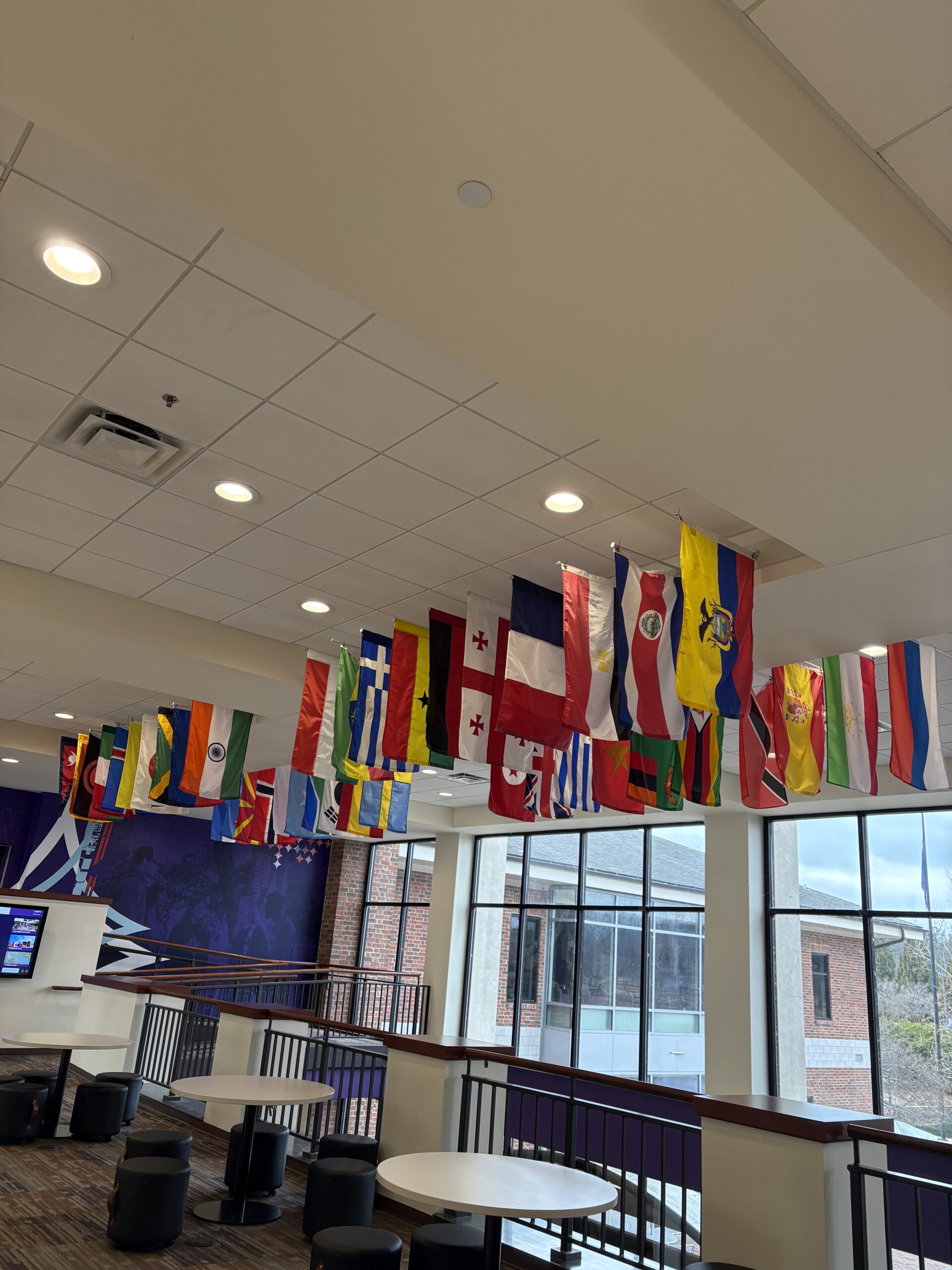
Furman places strong emphasis on the well-being of the whole student—academically, socially, and personally. Resources are robust, including three campus libraries, wellness initiatives, and a culture that values balance as much as ambition. Students are welcomed from all over the world and there are currently students from 58 countries.
The result? A campus that feels supportive without being sheltered and challenging without being cutthroat.
Alumni Success Stories: Where a Furman Education Can Lead
Furman’s impact extends far beyond its picturesque campus. Its alumni reflect what happens when close mentorship, intellectual rigor, and a commitment to meaningful lives come together. Across science, public service, the arts, and athletics, Furman graduates have shaped the world in lasting ways.
Discovery and Innovation
Few alumni embody Furman’s academic legacy more powerfully than Dr. Charles H. Townes ’35, Nobel Prize–winning physicist and co-inventor of the laser. Townes credited his liberal arts foundation for encouraging curiosity across disciplines—an approach that ultimately fueled one of the most important scientific breakthroughs of the 20th century.
Leadership and Public Service
Furman has long produced leaders who blend intellect with integrity. Richard W. Riley ’54, former U.S. Secretary of Education and Governor of South Carolina, is widely respected for his lifelong commitment to education and civic leadership. His career reflects Furman’s emphasis on ethical leadership and service beyond self.
On the global stage, Alex Stubb, former Prime Minister and current President of Finland, spent formative academic time at Furman, an experience he has credited with shaping his international outlook. His path underscores Furman’s role in preparing students not just for national leadership, but for global citizenship.
Arts, Media, and Cultural Influence
In the arts, Keith Lockhart ’81, longtime conductor of the Boston Pops Orchestra, stands as a powerful example of Furman’s reach beyond traditional career paths. Lockhart’s success illustrates how a Furman education nurtures both technical excellence and creative expression—skills that resonate far beyond the classroom.
Athletics and Excellence Beyond the Field
Furman’s Division 1 athletics have also launched remarkable careers. Clint Dempsey, one of the most accomplished players in U.S. Men’s National Soccer Team history, played collegiate soccer at Furman before rising to international prominence. His journey reflects the university’s ability to support elite ambition while grounding students in teamwork, discipline, and resilience.
Professional golfer Beth Daniel ’78 , an LPGA standout, further exemplifies how Furman student-athletes translate collegiate success into professional excellence on and off the course.
A Common Thread
What connects these alumni is not a single major or career path, but a shared foundation: close faculty relationships, small classes, high expectations, and the confidence to pursue meaningful work. Whether innovating in science, leading nations, shaping culture, or competing on the world stage, Furman graduates leave prepared not just to succeed but to contribute.
Beyond the Gates: Greenville, SC
Furman’s proximity to downtown Greenville adds another layer of appeal. The city has earned national recognition for its vibrant food scene, walkable downtown, and cultural offerings. Students benefit from access to internships, restaurants, arts, and outdoor recreation, all just minutes away. Paris Mountain State Park is just five minutes away.
Furman University isn’t trying to be everything to everyone. Instead, it offers something increasingly rare: a close-knit academic community, intentional pathways, and a campus culture that evolves with its students.
It’s a place where professors know your name, traditions mark your milestones, and four years feel thoughtfully designed from start to finish.